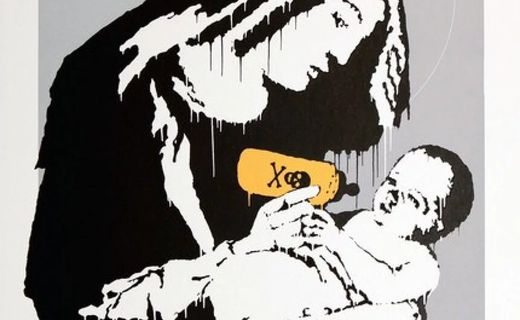
Bronze Sculpture for Sale

Upload an image to find similar artworks

Let art be a delight.
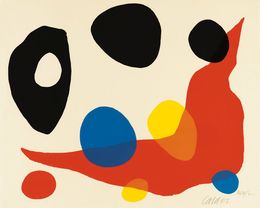
Alexander Calder, a major sculptor of the abstract movement, was born in Lawton, Pennsylvania, 1898, and passed away in New York, 1976. As a child, Calder enjoyed building things and went on to study mechanical engineering. His engineering background later gave him the knowledge to develop the mechanisms of his sculptures. In 1923, he decided to devote himself fully to art and went to New York in pursuit of fine art studies.
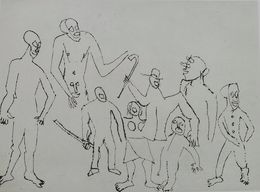
His first freehand drawings depicting athletes, acrobats, and street scenes, which were early indicators of his sculptural style. He drew animals at the zoo and began taking a keen interest in motion, movement, and animation. In 1929, Calder moved to Paris and met some of the most important artists of the time, including Man Ray, Marcel Duchamp, and Joan Miró.
Upon seeing Piet Mondrian's colored squares for the first time in 1930, Calder had a genuine revelation. He imagined them floating in space; movement later became the main “material" of his work. He embraced geometric abstraction and produced moving wire sculptures, or "mobiles" as Marcel Duchamp called them. They broke completely with the dense and imposing sculptures of the time as Calder's works are distinguished by their lightness. This marked the beginning of kinetic art; even if Calder's goal was not so much movement yet, but the search for balance, symmetry, silence, lightness, and subtlety.
From 1933 onwards, Alexander Calder's works received critical and public acclaim, particularly his painting "La Fontaine de Mercure", shown at the Universal Exhibition in 1937. In 1952, he received the Grand Prize at the Venice Biennale, and in 1964 the Guggenheim dedicated a major retrospective to him. His influence still resonates in modern days: in 2016, the Tate Modern held a major retrospective on the legendary sculptor.
Nationality
Categories
Artistic movements

Print . 55.5 x 75.5 x 0.1 cm Print . 21.9 x 29.7 x 0 inch
€7,400

Print . 50 x 65.5 x 0.1 cm Print . 19.7 x 25.8 x 0 inch
€7,860 €7,074


Print . 88.5 x 64 cm Print . 34.8 x 25.2 inch
€3,200

Print . 75.5 x 55.5 x 0.1 cm Print . 29.7 x 21.9 x 0 inch
€9,900

Print . 52.1 x 71.8 x 0.3 cm Print . 20.5 x 28.25 x 0.1 inch
€9,106


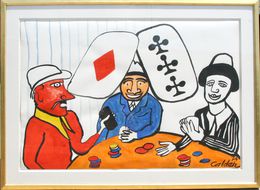


Print . 64.5 x 49.5 x 0.1 cm Print . 25.4 x 19.5 x 0 inch
€5,500


Painting . 57.8 x 78.7 x 1 cm Painting . 22.8 x 31 x 0.4 inch
€55,000

Print . 57 x 78 x 0.1 cm Print . 22.4 x 30.7 x 0 inch
€8,460 €7,191
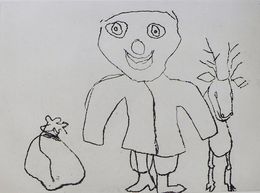

Print . 84 x 56.6 cm Print . 33.1 x 22.3 inch
€4,000

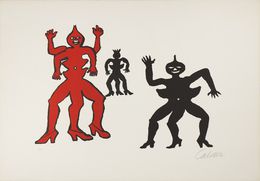

Painting . 73.6 x 106.5 x 0.1 cm Painting . 29 x 41.9 x 0 inch
Price upon request


Print . 75 x 54 x 0.1 cm Print . 29.5 x 21.3 x 0 inch
€7,860 €7,074


Print . 95 x 95 x 0.1 cm Print . 37.4 x 37.4 x 0 inch
€13,800 €11,730
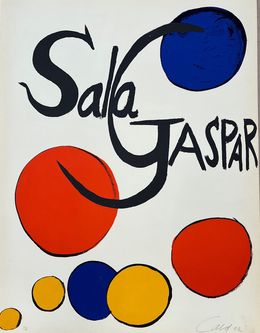

Print . 39 x 28 x 2 cm Print . 15.4 x 11 x 0.8 inch
€6,860 €5,488
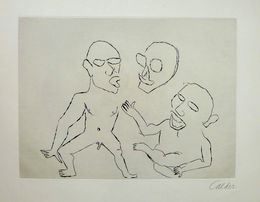
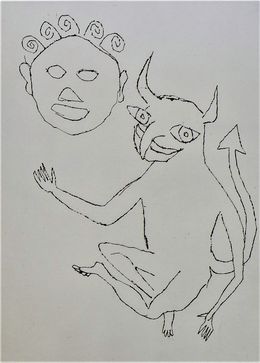
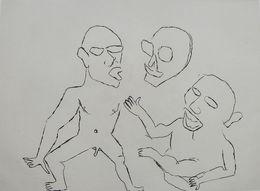


Print . 74.9 x 109.2 x 0.3 cm Print . 29.5 x 43 x 0.1 inch
Sold

Print . 74.8 x 60 x 0.3 cm Print . 29.4 x 23.6 x 0.1 inch
Sold


Print . 62.9 x 43.8 x 0.3 cm Print . 24.75 x 17.25 x 0.1 inch
Sold
Print . 35.5 x 26 x 0.3 cm Print . 14 x 10.2 x 0.1 inch
Sold




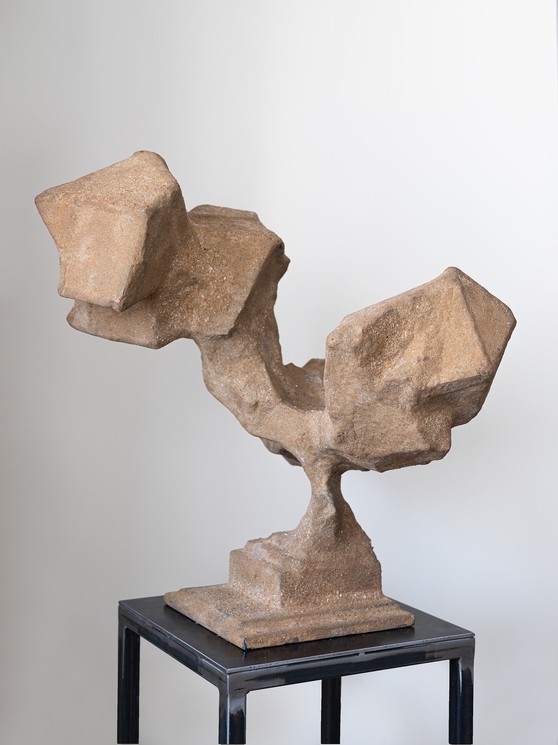
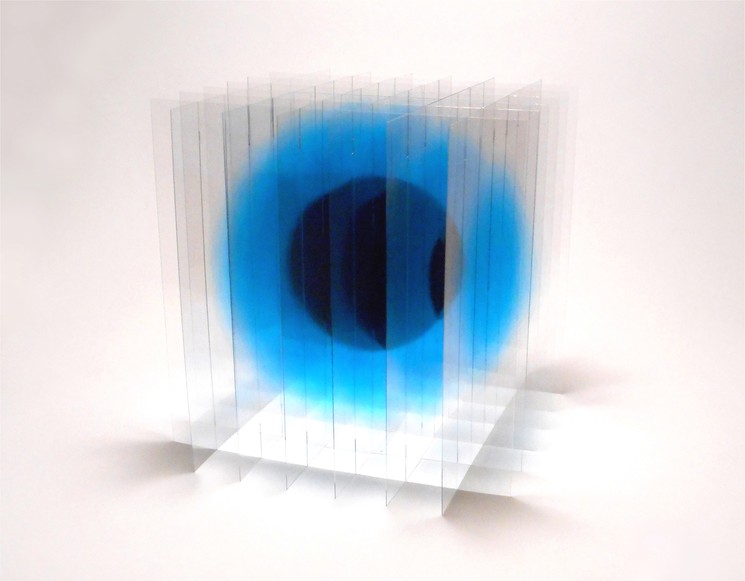
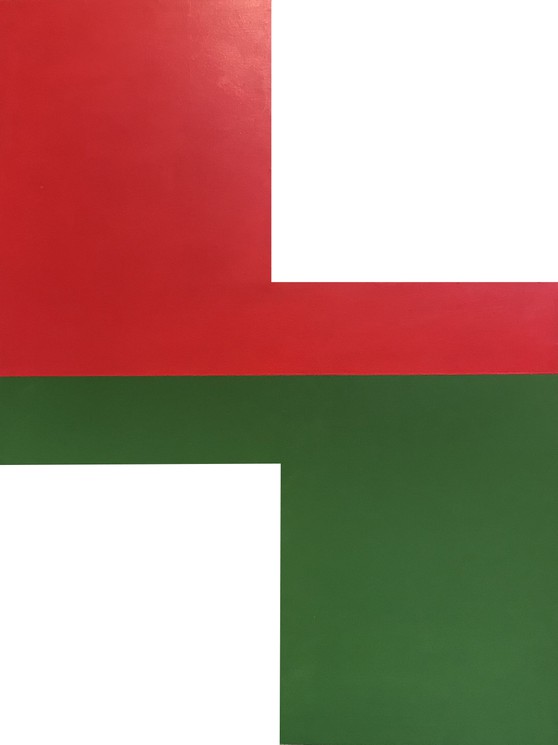
Alexander Calder was best known for inventing the mobile, a type of kinetic sculpture that moves with air currents. He also created monumental stabiles and wire sculptures, revolutionizing modern sculpture with his innovative use of movement and balance.
Alexander Calder did not invent the mobile, but he revolutionized and popularized it as an art form in the 1930s. His kinetic sculptures, named "mobiles" by Marcel Duchamp, made him the most famous creator of this genre.
Alexander Calder fell in love with Louisa James, a grandniece of author Henry James. They married in 1931 and she became his lifelong partner and supporter.
Alexander Calder created over 16,000 works during his lifetime, including approximately 2,000 sculptures. His sculptures range from mobiles and stabiles to monumental public artworks.
Discover other selections of artworks
Choose your preferences
The best
of art, online
SIGN IN - REGISTER
Forgot your password?
No worries, enter you email address and we'll send you a link to reset your password.
ReturnUpload an image and discover similar artworks available on Artsper