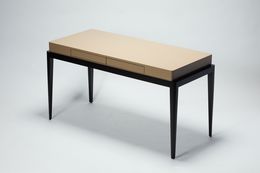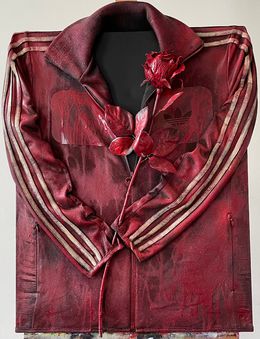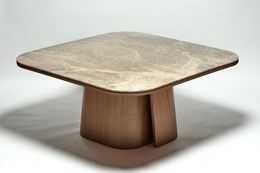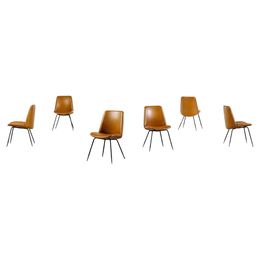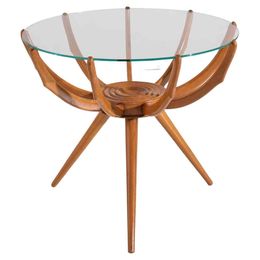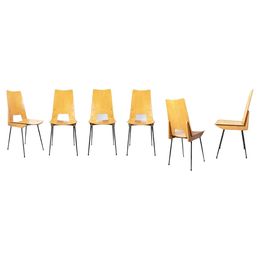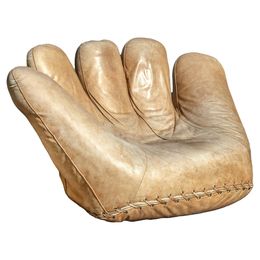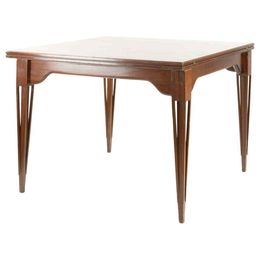




Furniture
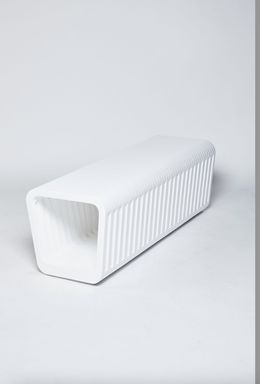
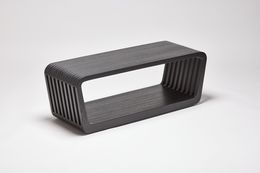
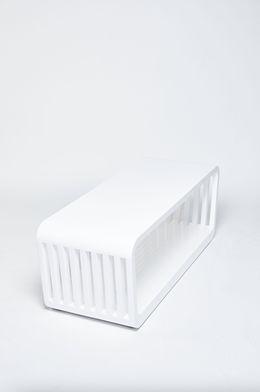
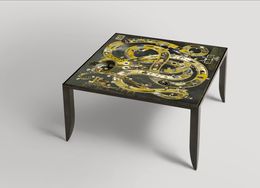
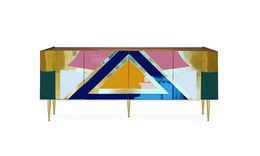
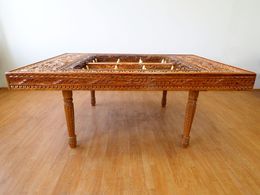
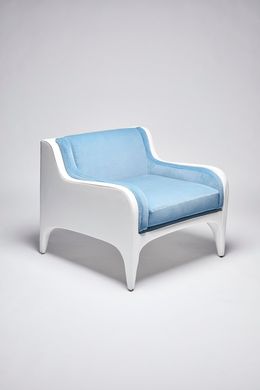
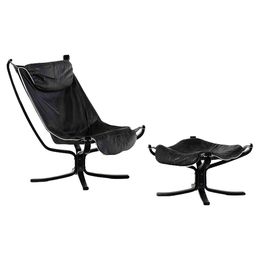
Furniture consists of a myriad of objects that can be used in various settings, providing an element of comfort to those who use it. Furniture can be the result of artistic creation. It also can be considered a form of decorative art. Beyond its artistic touch or functionality, furniture has been made throughout history for symbolic and religious reasons.
Furniture also contributes to the decoration of the home, in conjunction with other objects such as textiles, art objects, or lighting that create a practical, yet comfortable interior space. Beyond this, furniture has existed and evolved in cultures and various locations around the world for thousands of years.
As early as the Neolithic period, furniture made of stone and probably wood (a presumed material, as it has since disintegrated upon discovery of sites by archeologists) was produced. The first fragments of furniture were found at Skara Brae, a Neolithic archaeological site. The archeological site had a variety of stone furniture; including, seats, shelves, beds, benches, cupboards, and drawers.
Later, during the antiquity period, furniture was already quite advanced. The technological advancements of the Egyptians allowed artisans to bend and turn materials. Because of this, furniture no longer had to be flat or straight but incorporated curves, resulting in imaginative and creative items, such as animal-shaped chairs, as well as beds, tables, and sideboards of all shapes and sizes. In ancient Greece, furniture was typically made of wood, stone, and metal. During the Romanesque period, artisans and craftsmen developed liturgical furniture.
Centuries later, during the Gothic period, furniture was simple. Those of royal or noble blood owned furniture that was easily transportable, as they often moved from one house to another. In the periods that followed, many medieval articles of furniture were used as a starting point. During the Renaissance, craftsmen built upon the medieval pieces and redefined them. The design, technological advancements, and style of furniture continued to evolve over time and continue to change to this day. Explore a collection of artistically and impeccably designed furniture, from all over the world!
Save your search and find it in your favorites
Save your search to find it quickly
Saved search
Your search is accessible from the favorites tab > My favorite searches
Unsaved search
A problem occurred