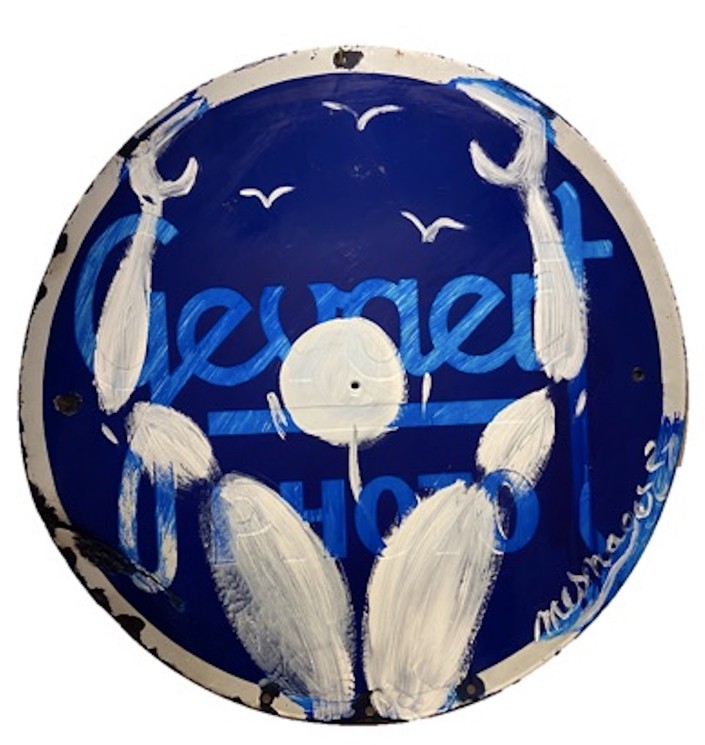
Manuel Jimenez (Taller)
  • Biography
  • Movements

Manuel Jimenez (Taller)

Mexico

Biography

Oaxaca has kept the tradition of woodcarving since before pre-Hispanic times. The Zapotecs used to carve religious totems and ceremonial masks. Woodcarvers began making religious pieces and masks following the Spanish conquest. The masks were used in dances as representations about Christian stories. After the war for independence, woodcarving dwindled. But masks used in traditional dances were still made as well as miniature animal and human figures used as children's toys. Woodcarving was not a craft one could make a living at however.

In the 1940s, Oaxaca began opening up to tourism. Although Oaxacan woodcarvings have existed for less than 60 years, they have become one of the most popular folk art styles in Mexico and are considered collectible art.

San Antonio Arrazola is the home of Taller "Manuel Jimenez" and is located 10 km southeast of Oaxaca City. Until after the revolution, Arrazola was a large sugar plantation where people all over Oaxaca worked. When Arrazola became a town in the 1920s, the inhabitants shared different backgrounds and culture.

Alebrije is a slang Zapotec word meaning "intricate tangled object of a confusing or fantastic theme." The name alebrijes was first used by the famous Linares family in Mexico City whose art form is carton (paper from cardboard boxes used like paper maché.)

The intricate carving, and the lively use of colors reflect Taller "Manuel Jimenez" personality, mood and imagination.
Read more

Discover similar artists

Zokatos

231 followers

Zokatos

Li Lihong

1051 followers

Li Lihong

Ben

979 followers

Ben

Jérôme Mesnager

1936 followers

Jérôme Mesnager

Gregos

426 followers

Gregos

Jaber El Mahjoub

90 followers

Jaber El Mahjoub

Ernesto Yerena Montejano

Ernesto Yerena Montejano

Hans Mendler

Hans Mendler