Bronze Sculpture for Sale

Upload an image to find similar artworks

There is no self-portrait of me. I am not interested in myself as a subject for a painting, but in others, particularly women.
Nationality
Categories
Artistic movements
Gustav Klimt, born July 14, 1862, in Baumgarten, Austria-Hungary, is an Austrian Symbolist painter recognized as one of the most influential members of the Art Nouveau movement and co-founder of the Vienna Secession. His inimitable style, blending eroticism, symbolism, and lavish ornamentation, has left its mark on the history of modern art.
From an early age, Klimt demonstrated a remarkable talent for drawing . He entered the Vienna School of Applied Arts (Kunstgewerbeschule) in 1876, where he specialized in decorative painting. In 1883, he founded a studio with his brother Ernst Klimt and the artist Franz Matsch. Together, they created frescoes and decorations for prestigious public buildings, such as the Villa Hermes in Vienna, the Carlsbad Theater, and the ceiling of the Fiume Theater.
It was with the frescoes in the Burgtheater in Vienna (1886–1888) that Klimt began to distance himself from the academic style. He was awarded the Golden Order of Merit by Emperor Franz Joseph for his outstanding work.
In the late 1890s, Gustav Klimt became a central figure in the Vienna Secession, an art movement he founded in 1897 to promote modern and independent artists. He also became the artistic director of the group's magazine, Ver Sacrum, and actively participated in the spread of Art Nouveau in Austria.
During this period, Klimt produced a prolific body of work, with over 4,000 drawings and numerous major paintings. Among his iconic works are Pallas Athenaeum (1898), which marked his departure from academicism, and his famous panels commissioned for the University of Vienna—Philosophy, Medicine, and Jurisprudence. These works, with their bold, erotic style, sparked fierce controversy but affirmed his unique artistic language.
After leaving the Secession in 1905, Klimt developed a more refined and refined style, characterized by the use of gold leaf, arabesques, and dreamlike symbols. He created his most famous works: Judith I (1901), Danaë (1906), The Kiss (1907–1908)—considered his masterpiece—and Portrait of Adele Bloch-Bauer I (1907), which has become an icon of modern art.
Gustav Klimt explored profound and recurring themes such as love, femininity, death, and eroticism. His portraits of women, both sensual and powerful, embody a vision of femininity that is both mystical and provocative.
Throughout his life, he maintained a close relationship with Emilie Flöge, her muse and likely model for several of his works, including The Kiss. Although he was never married, Klimt had several children from his relationships with various women.
Gustav Klimt died on February 6, 1918, in Vienna, following a stroke. He left behind a significant artistic legacy and influenced a generation of Austrian artists, including Egon Schiele and Oskar Kokoschka. His work continues to inspire contemporary art and fascinate collectors, researchers, and art lovers around the world.

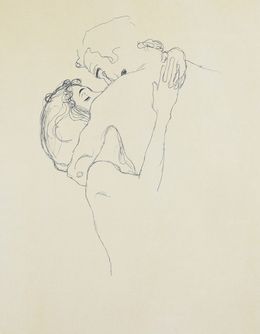
Print . 55 x 40 x 1 cm Print . 21.7 x 15.7 x 0.4 inch
€580
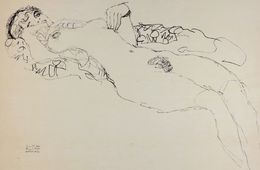
Print . 54 x 69 cm Print . 21.3 x 27.2 inch
€1,500
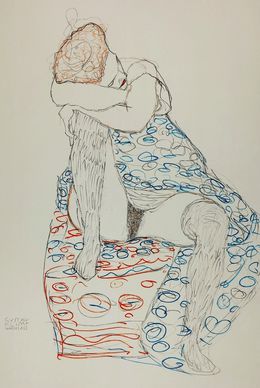
Print . 87 x 59 cm Print . 34.3 x 23.2 inch
€1,990
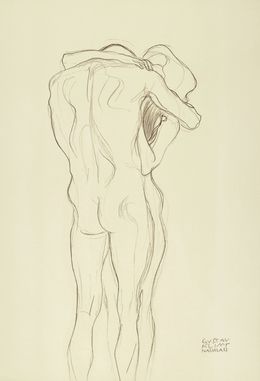
Print . 64 x 48 x 1 cm Print . 25.2 x 18.9 x 0.4 inch
€625
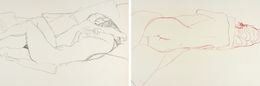
Print . 47 x 63 x 1 cm Print . 18.5 x 24.8 x 0.4 inch
€995

Print . 47 x 63 x 1 cm Print . 18.5 x 24.8 x 0.4 inch
€595

Print . 47 x 63 x 1 cm Print . 18.5 x 24.8 x 0.4 inch
€595

Print . 70 x 50 x 1 cm Print . 27.6 x 19.7 x 0.4 inch
€680

Print . 47 x 63 x 1 cm Print . 18.5 x 24.8 x 0.4 inch
Sold

Print . 59 x 87 cm Print . 23.2 x 34.3 inch
Sold


Print . 70 x 50 x 1 cm Print . 27.6 x 19.7 x 0.4 inch
Sold
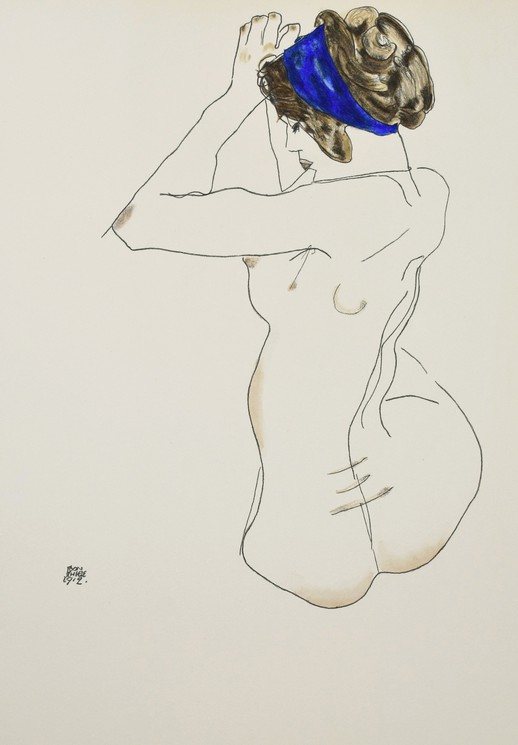
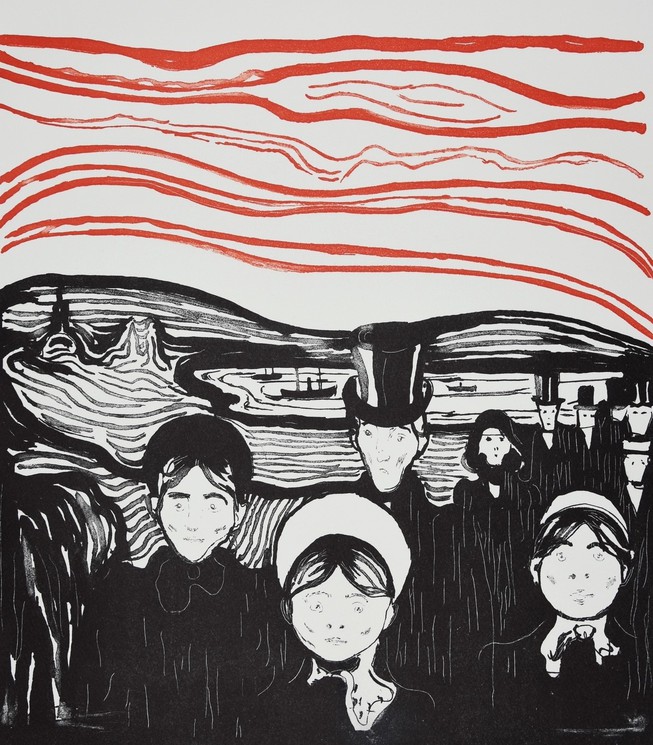
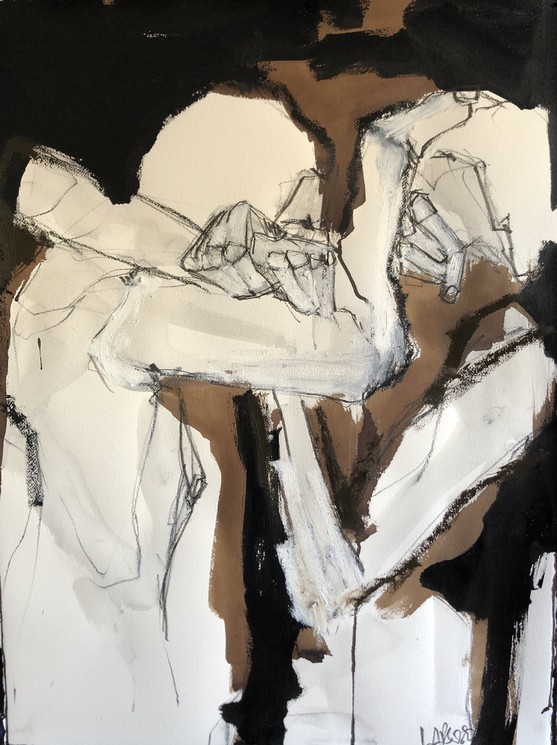








Discover other selections of artworks
Choose your preferences
The best
of art, online
SIGN IN - REGISTER
Forgot your password?
No worries, enter you email address and we'll send you a link to reset your password.
ReturnUpload an image and discover similar artworks available on Artsper