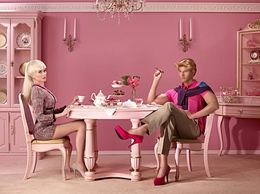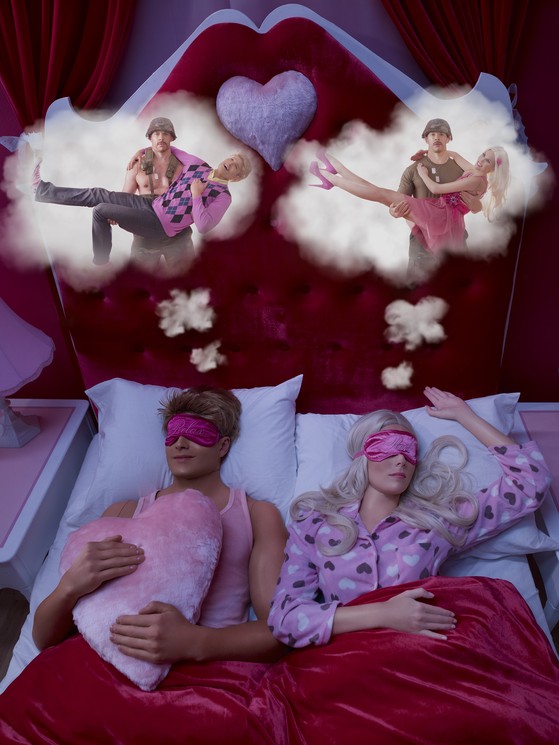
In The Dollhouse
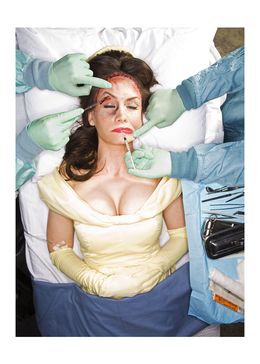
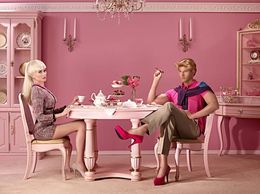
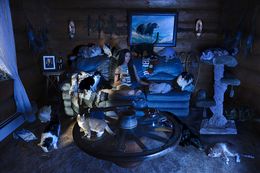
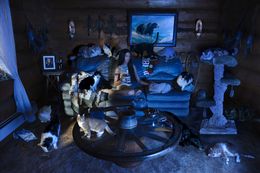
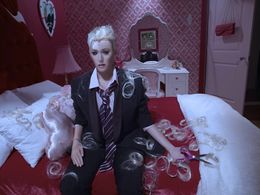
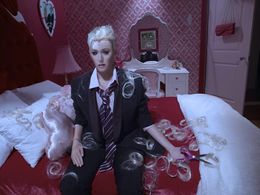
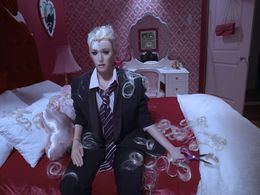
Women's realities and societal pressures are hidden in a world dominated by constructed ideals of beauty and femininity. Goldstein's "In The Dollhouse" collection deconstructs the facade of domestic perfection by presenting scenes where iconic dolls, such as Barbie, are at the heart of issues, such as aging, body image and societal expectations Through her lens, Goldstein provides a critical commentary on the superficial standards imposed on women, highlighting the consequences these expectations can have on a person's mental and emotional well-being.
The collection challenges conventional perceptions of femininity and the roles women are expected to play, while utilizing the symbolism of dolls, a powerful representation of society's ideals and cultural conditioning. Goldstein's sobering imagery highlights the need for a more inclusive and tolerant society, one that values individuals beyond their outward appearance, encouraging a reassessment of societal norms and a shift toward acceptance of diversity and authenticity. “In The Dollhouse" is a powerful reminder to challenge the narrow beauty standards that limit women, urging us to celebrate our uniqueness and reject the pressure to conform to unrealistic representations.
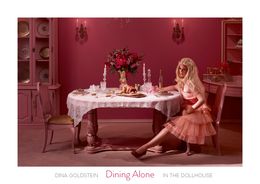
Dina Goldstein
Dina Goldstein's creative odyssey spans three decades, moving from photojournalism to a bold exploration of narrative photography. His work presents itself as a complex critique of societal norms, intertwining iconic cultural symbols and shared visual motifs with stories rooted in the essence of the human condition. Dina's art, rooted in the principles of surrealism, unveils the complexities of modern existence, questioning the dominant cultural narratives and ingrained ideologies that shape our perceptions.
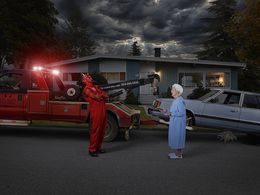
Initiated in 2007, Goldstein's artistic enterprise, inspired by his personal reflections and a scrutinizing perspective on the conventional notions of "happily ever after" propagated by Disney narratives and widely accepted in Western culture, delves into the reimagined lives of the princesses of fairy tales through his series “Fallen Princesses" (2007-2009) As a feminist and mother of a daughter, she critiques traditional depictions of femininity and childhood in Disney stories. Her portraits of princesses grappling with contemporary issues such as illness, addiction, environmental crises and war have resonated widely, culminating in her receipt of the prestigious Virginia Prize in 2014, an international honor for women photographers, and presenting his work in exhibitions across Paris, Quebec and the United States.
Her next venture, "In The Dollhouse" (2012), reveals a narrative set in a meticulously designed full-scale dollhouse where human versions of Barbie and Ken navigate through the vicissitudes of life. This series illuminates the absurdity of pursuing unattainable standards of beauty and perfection, and the complex dynamics between appearance, authority, and contentment. She gained international recognition, appearing in the Frida Kahlo and Diego Rivera catalog at the Musee D'Orsay and becoming part of the FotoMuseo collection in Colombia.
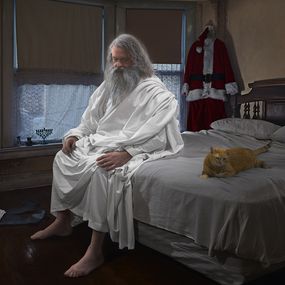
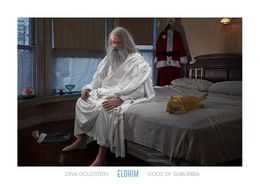
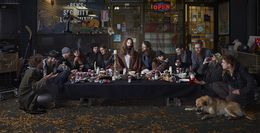
With “Gods Of Suburbia" (2014), Goldstein ventures into the realm of religious iconography, depicting deities of various faiths grappling with the trials of contemporary society. This work offers a provocative view of the adaptation of ancestral spiritual entities to realities shaped by technology, science and secular values, challenging audiences to reflect on the enduring significance of traditional moralities and beliefs in today's world 'today. The collection has enjoyed worldwide recognition, notably "The Last Supper", which attracted significant attention in Italy.