Lithographs

Lithographs are a fine art printing technique developed in late 18th-century Germany and widely adopted across Europe in the 19th century. Initially used for image reproduction, lithography soon became a favored artistic medium, especially among major figures in art history.

The process relies on a chemical principle: the repulsion between water and grease. Artists draw directly onto a limestone plate with ink or greasy pencils, then the image is transferred to paper using a press. Over time, materials like zinc and aluminum replaced the original stone, without compromising artistic quality.

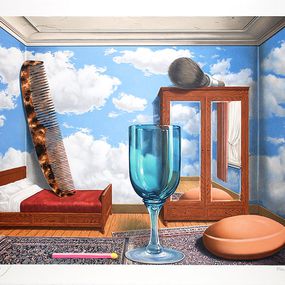
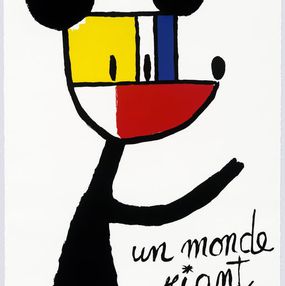
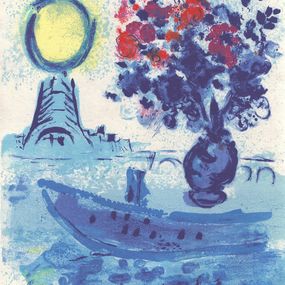
The golden age of art lithographs came in the 19th and 20th centuries, with artists such as Toulouse-Lautrec, Miró, and Picasso using this method to create original, limited-edition works that remain highly collectible today.

Modern lithographs continue to attract collectors thanks to their graphic richness and market value. Each print is typically numbered and often signed, with a certified print run that guarantees authenticity and rarity.

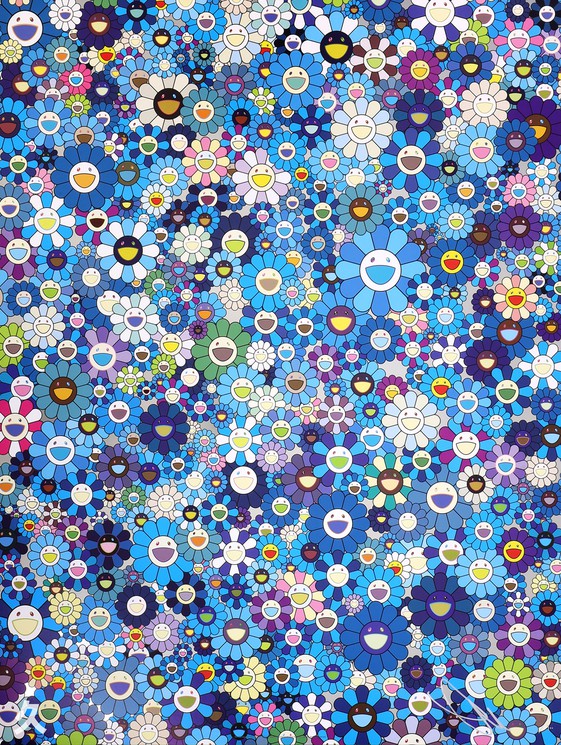
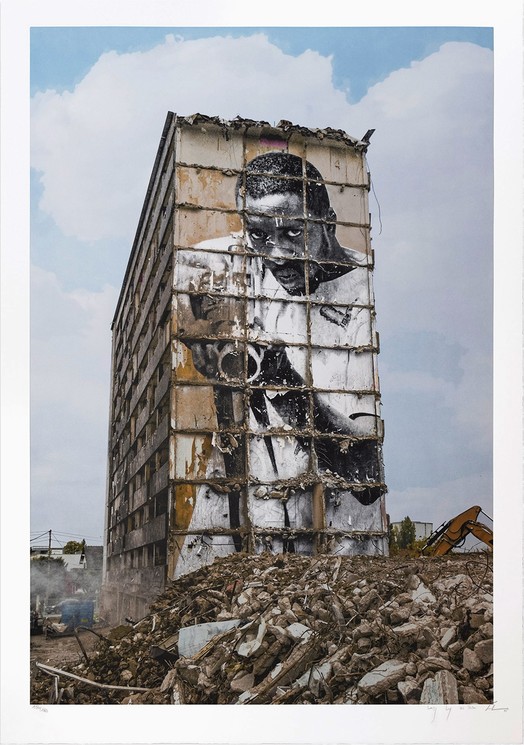
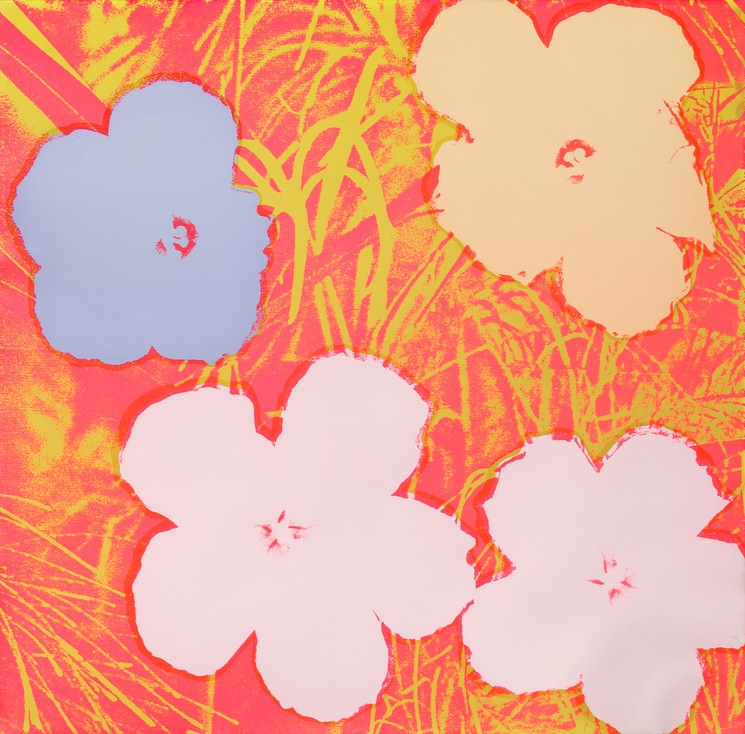
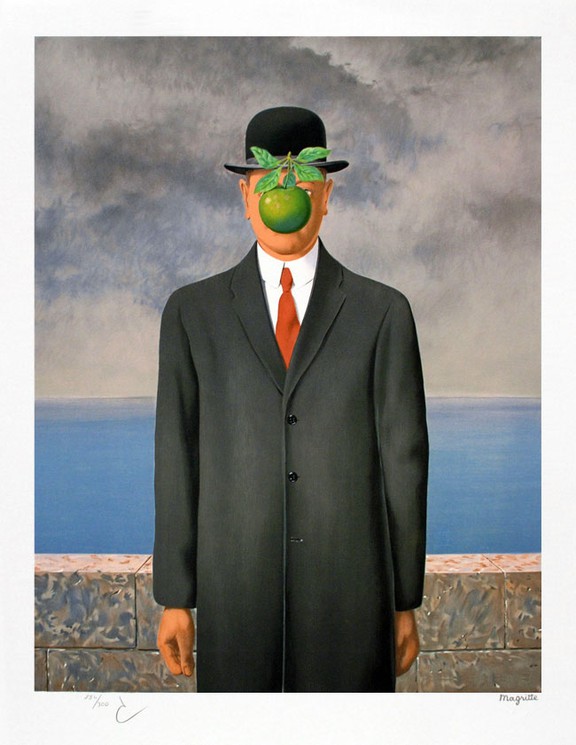
On Artsper, explore a curated selection of original lithographs — from 20th-century icons like Warhol, Vasarely, Niki de Saint Phalle, and Dali, to contemporary masters such as Yan Pei-Ming and Hervé Télémaque. Every piece is part of a limited edition of 300 or fewer, or signed by the artist.

Read more
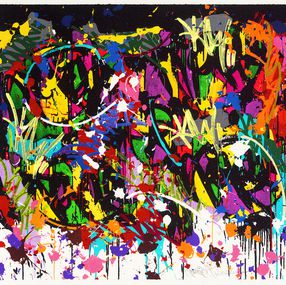
Print, Kaotic, Josep Uclés

Josep Uclés

Print . 56 x 76 x 1 cm Print . 22 x 29.9 x 0.4 inch

€300

Print, Le soliste, Gen Paul

Gen Paul

Print . 36.6 x 27.8 x 0.1 cm Print . 14.4 x 10.9 x 0 inch

€300

Print, Sans titre, Pello Irazu

Pello Irazu

Print . 75 x 55 x 0.02 cm Print . 29.5 x 21.7 x 0 inch

€500

Print, Chromo 8, Carlos Pazos

Carlos Pazos

Print . 76 x 56 x 0.02 cm Print . 29.9 x 22 x 0 inch

€500

Print, B6, Sandro Chia

B6

Sandro Chia

Print . 100 x 70 x 0.02 cm Print . 39.4 x 27.6 x 0 inch

€1,800

Print, Sans titre, Pilar Palomer

Pilar Palomer

Print . 56 x 76 x 0.02 cm Print . 22 x 29.9 x 0 inch

€500

Print, Rot, Paulis Liepa

Rot

Paulis Liepa

Print . 42.2 x 30 x 0.2 cm Print . 16.6 x 11.8 x 0.1 inch

€585

Print, Pierino, Antonio Bueno

Antonio Bueno

Print . 70 x 50 x 0.2 cm Print . 27.6 x 19.7 x 0.1 inch

€270

Print, Caballero, Salvador Dali

Salvador Dali

Print . 101 x 81 x 0.1 cm Print . 39.8 x 31.9 x 0 inch

€7,860

Print, Monkey, Jacques Monory

Jacques Monory

Print . 65 x 50 x 1 cm Print . 25.6 x 19.7 x 0.4 inch

€390

Print, Untitled, Gabriel Rigo

Gabriel Rigo

Print . 76 x 55 cm Print . 29.9 x 21.7 inch

€222

Print, Sans titre, Guillermo Conte

Guillermo Conte

Print . 100 x 70 x 0.02 cm Print . 39.4 x 27.6 x 0 inch

€1,000

Print, Duo, Antoni Muntadas

Duo

Antoni Muntadas

Print . 74 x 95 x 0.02 cm Print . 29.1 x 37.4 x 0 inch

€1,000

Print, Corrida 1, Eric Fischl

Eric Fischl

Print . 100 x 70 cm Print . 39.4 x 27.6 inch

€2,000

Print, Untitled, Anton Lamazares

Anton Lamazares

Print . 65 x 50 x 0.1 cm Print . 25.6 x 19.7 x 0 inch

€444

20/62
Need help with Lithographs ?
What exactly is a lithograph?

A lithograph is a work of art created by printing from a stone or metal plate, on which the artist draws with a grease pencil. This technique allows for the production of multiple original, numbered, and signed copies.

How to recognize a lithograph from a print?

A lithograph often has a slight texture and ink variations, while a digital print is perfectly smooth and uniform. Hand-signing and numbering are also indicators of an authentic lithograph.

Does a lithograph have value?

Yes, a lithograph can be valuable, especially if it is signed, numbered, and produced by a recognized artist. Its value depends on its rarity, quality of execution, and the artist's reputation.

What is the difference between a painting and a lithograph?

A painting is an original work made by hand, while a lithograph is a print obtained by printing from a stone or an engraved plate, allowing several numbered copies to be produced.