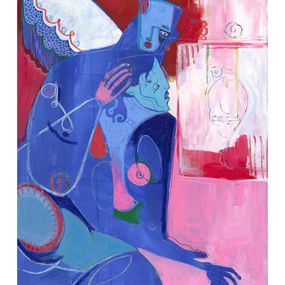
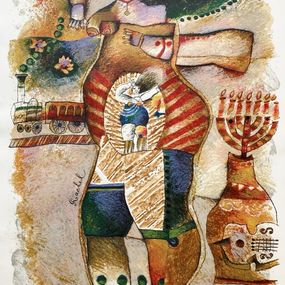
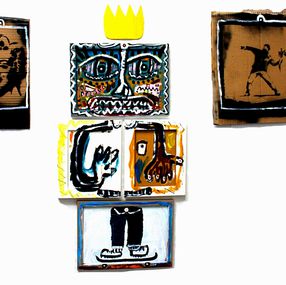
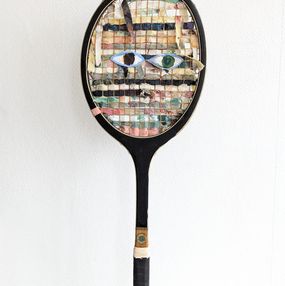
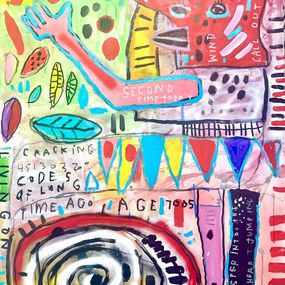
The expression « art brut » was invented in 1972 by art critic Roger Cardinal. It is a movement created by self-taught or « naïfs », who escape tradition and have had little to no contact with traditional artistic education. Often, the term art brut is used to label artists with mental disorders, bearers of unconventional ideas, or childlike behaviors, and these artists are generally only discovered after their death. But the label refers solely to the nature of the artists; the artworks themselves are extraordinarily varied in terms of genre and appearance.
Despite the historical marginalization of artists supporting this movement, art brut is now a recognized current. The fair « Outside Art Fair » has been held in New York every year since 1993 and regularly publishes magazines dedicated to this subject. Discover the collection of art brut and outsider artworks on Artsper, including works by the artist Jean Dubuffet himself, widely recognized as the creator of the art brut movement. But also works by young talents, claiming with flair this sometimes criticized label, but which nonetheless offers unparalleled artistic freedom: Jéko, Jazzu, Isa Ansory and many others!
Painting . 130 x 89 x 2 cmPainting . 51.2 x 35 x 0.8 inch
€4,000
Need help with Art Brut Paintings ?
Which painter defined art brut?
Art brut was defined by French painter Jean Dubuffet in the 1940s. It referred to works created outside of traditional artistic norms, often by self-taught artists or marginalized individuals.
What is the principle of Art Brut?
Art Brut, also known as "outsider art", is made by self-taught artists that have had little to no contact with traditional art institutions. The work of these artists often depicts extreme mental states, fantasy worlds or unusual ideas.
What is the difference between naive art and art brut?
Naïve art is characterized by a spontaneous and colorful representation of the world, often created by self-taught artists. Art brut, on the other hand, includes works created outside of cultural codes, by people without artistic training, sometimes marginalized.
What is the difference between art brut and outsider art?
Outsider art refers to works created by self-taught artists with no formal artistic training, often on the margins of society. Outsider art encompasses art brut but also includes unconventional artists, sometimes recognized by the art market.