Businesses, buy your work through a lease-purchase agreement
A lease-purchase agreement lets you spread the cost of the work over 13 to 48 months and reduce your corporate tax by deducting each of the monthly payments from your taxable income. Please note, the 14-day cooling-off period does not apply in the case of a lease-purchase agreement.
13 months
Monthly installments
excl. tax
Residual value
Tax Savings
Total cost
24 months
Monthly installments
excl. tax
Residual value
Tax Savings
Total cost
36 months
Monthly installments
excl. tax
Residual value
Tax Savings
Total cost
48 months
Monthly installments
excl. tax
Residual value
Tax Savings
Total cost
How does it work?
1
Choose an artwork you like and the desired duration of the lease-purchase agreement
2
Fill out your profile to be contacted by a member of our team
3
Once the contract is signed, you will be debited every month for the duration of the agreement
Shipping & delivery
Shipped from: United Kingdom
Delivery to: France
, € 139
Estimated delivery: One to two weeks
Free returns within 14 days, full refund
Authenticity guaranteed
Sold with certificate of Authenticity from the gallery
This seller offers discount when you purchase multiple artworks.
Description
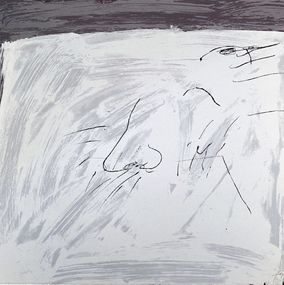
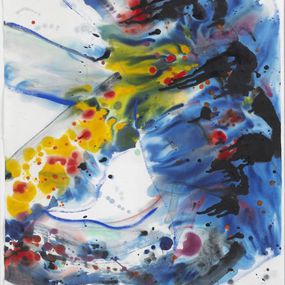
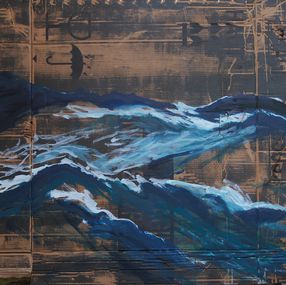
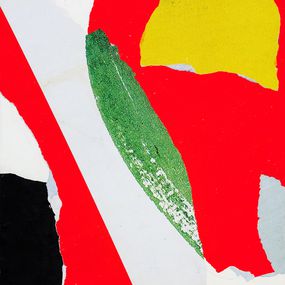
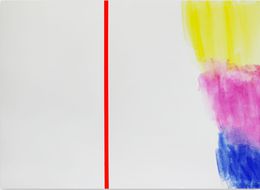
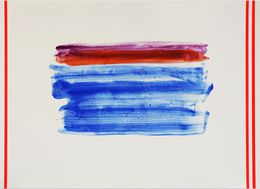
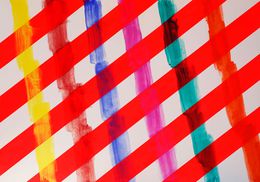
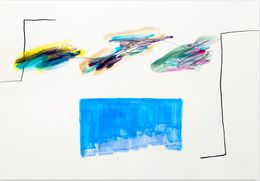
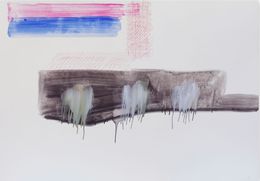
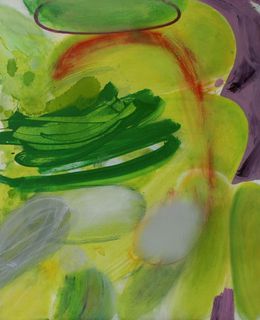
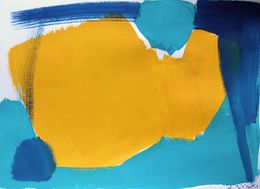
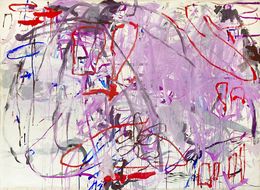
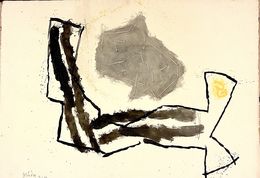
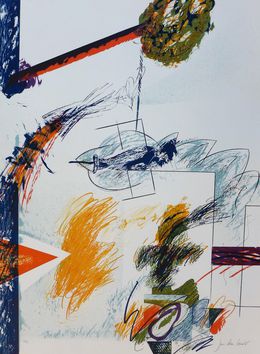
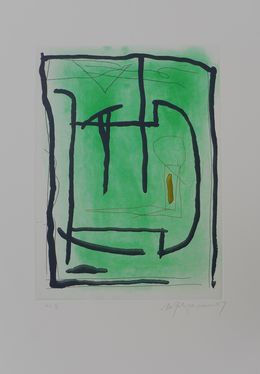
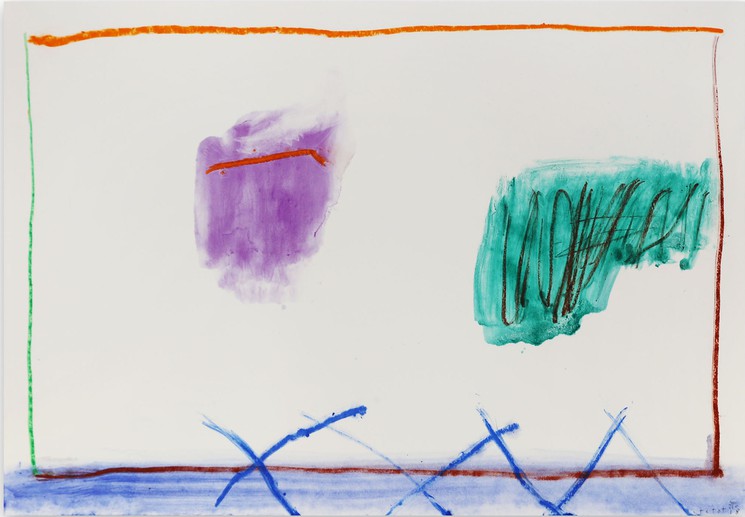
Claude Tétot is a painter in search of unexpected harmonies. He embraces a visual language of complementary contradictions--negative space becomes an expression of form; solid areas of color are balanced by energetic markings and precise patterns; concrete elements like hard edged lines, grids, and geometric shapes are juxtaposed alongside expressionistic elements, like gestural brushwork, smudges, drips and stains.
By exploring the enigmatic unity expressed by these apparent disharmonies, Tétot is examining what is meant by chaos and what is meant by order. He is asking us to contemplate what is absent and what is present; or what is active and what is neutral. The strange poetry of his compositions declares that things are not always what they seem, and that there is beauty even in discord.
Claude Tétot is a French abstract artist whose work expresses harmony in disharmony by exploring the enigmatic unity that can exist between seemingly disparate elements, such as graphic patterns and gestural markings.
Tétot is inspired by the search for unexpected harmonies. He could be placed in an aesthetic lineage with Hans Hofmann and Shirley Jaffe. Like Hofmann, Tétot relishes the hand painted mark, and is masterful at expressing depth by allowing contrasts between hues and tints to speak for themselves.
Like Jaffe, Tétot employs the white ground of his surfaces as if it is an expression of form, and he fearlessly embraces cacophony, revealing the strange harmonies that exist within apparent contradictions. Tétot then extends beyond the traditions of his Modernist influences. He simplifies his approach, creating compositions that speak abstractly, though directly, to universal themes, such as: chaos vs. order; the hand-drawn mark vs. the graphic pattern; and what is present vs. what is absent.
At its most poetic, his work expresses unity between dissimilar elements; it finds beauty in discord.
Claude Tétot employs different mediums and methods to achieve different types of attitudes in his compositions. Whether he is making a drawing or a painting, he may employ something like fluorescent acrylics to create a graphic pattern, a hard edged line or a geometric shape. Next, he may use oil paint and traditional brushes to create an expressive, gestural line, or a painterly field of colour. The fluctuations between opacity and translucency, and flatness and luminosity, are important to the personality of the work. He has developed the technique of surface preparation so that nuanced differences can be expressed in his white backgrounds. The seemingly empty space on is in fact filled with subtle gradations that emphasizes relationships between colours, and adds depth to the spatial relationships between the various pictorial elements of the composition.
Tétot has exhibited in solo and group exhibitions in galleries and museums in France, Luxembourg, and Germany. In addition to private collections, his work is in the permanent collections of the National Foundation for Contemporary Art in Paris and the Regional Contemporary Art Fund, Auvergne.