

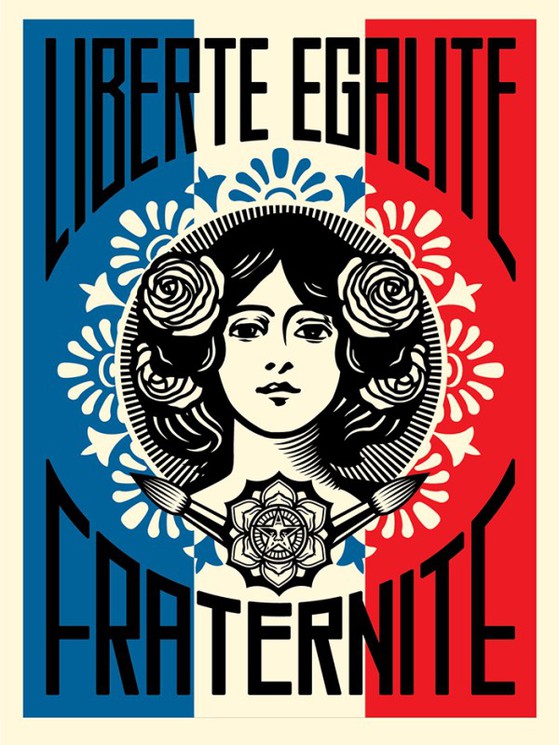

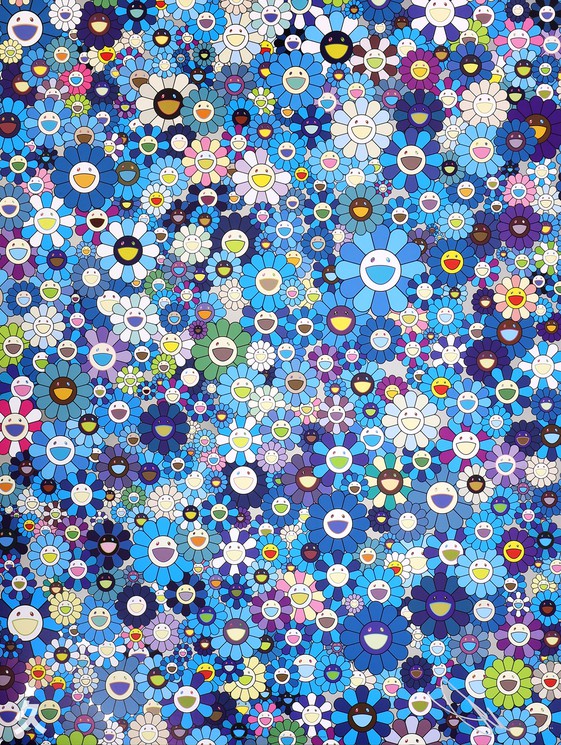

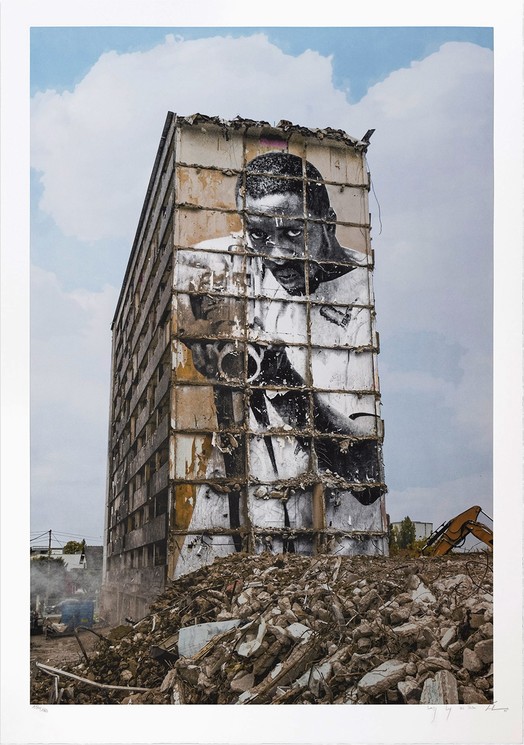
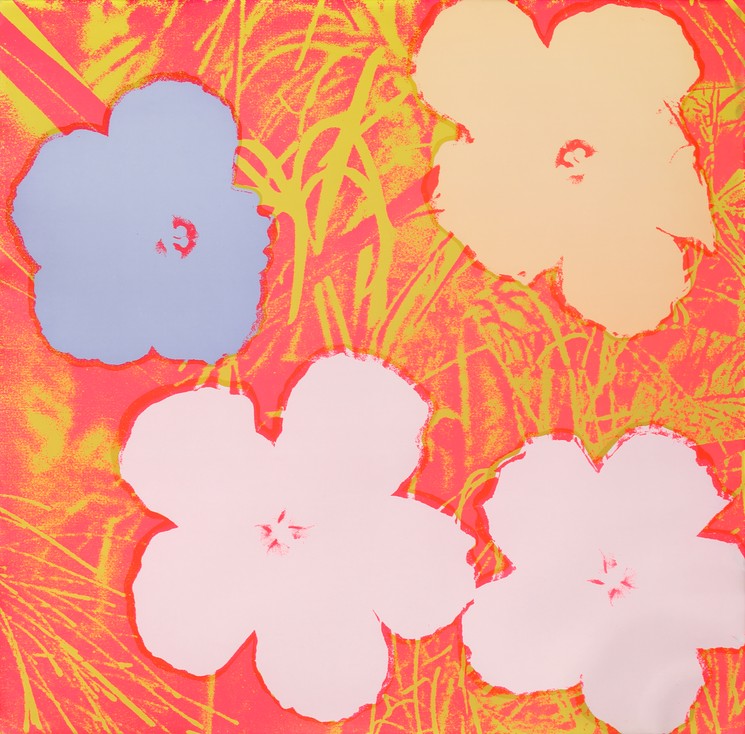


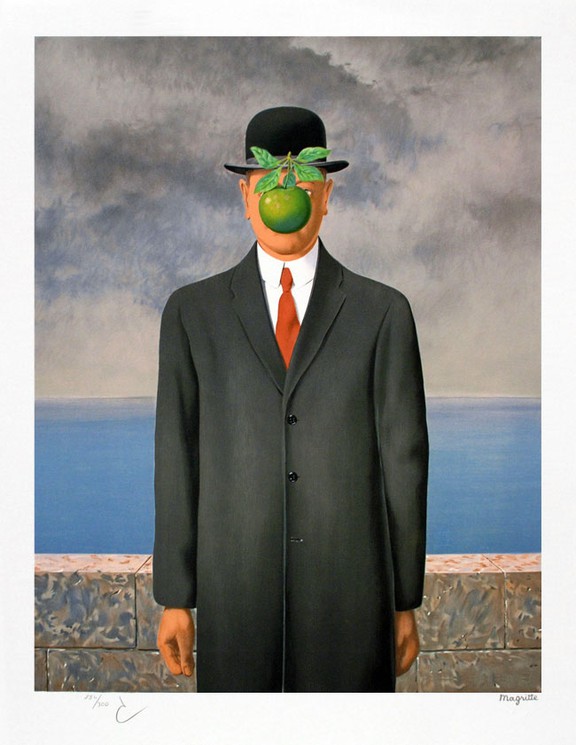


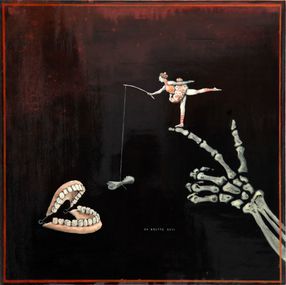
The Wunderhorn by Lewis Carroll, 1970
Print : lithography · 49 x 34 x 0.1 cm 19.3 x 13.4 x 0 inch
Sold
Authenticity guaranteed
Sold with certificate of Authenticity from the gallery
Invoice from the gallery Learn more
Secure payment • Card, Amex, PayPal...
We accept several payment methods:
Paypal
American Express
Visa
Mastercard
Apple Pay
Google Pay
- Credit cards (Visa, MasterCard)
- American Express
- PayPal
- Bank transfer
- Gift card
- Apple Pay / Google Pay
All payments are secured with 3D Secure validation to protect your confidential information.
Verified Reviews : 9.6/10
Similar works


Jean Tinguely
Print . 23 x 34.5 x 0.2 cm Print . 9.1 x 13.6 x 0.1 inch
€1,900
Recommended by Artsper


About the artwork
Type
Print : numbered and limited to 69 copies
Condition
Artwork sold in perfect condition, not framed
Authenticity
Sold with certificate of Authenticity from the gallery
Invoice from the gallery
Signature
Hand-signed by artist
Technique & Support
lithography on paper
Dimensions ( cm • inch )
49 x 34 x 0.1 cm 19.3 x 13.4 x 0 inch Height x Width x Depth
Sold by
Art gallery
Credentials
Vetted seller since 2019 • Top Seller
Description
Hand signed and numbered. Edition of 69 prints. Matting included.

Presentation
Max Ernst is a German painter and sculptor born in 1891 in Brühl and who died in 1976 in Paris. The son of painter Philipp Ernst, he began studying philosophy at the University of Bonn in 1909, but quickly abandoned this in order to devote himself to art. In 1911, Ernst met the members of the Blaue Reiter group with whom he exhibited two years later.
Between 1909 and 1913, his early paintings were inspired by expressionism, then later became more surreal. In 1913, he left for Paris and met Guillaume Apollinaire and Robert Delaunay. The First World War then spread through Europe and Max Ernst found a common desire for protest among his colleagues in the Dada movement. He then actively participated in the Dada movement in Cologne, which became an important centre for the movement. Paul Klee and Marcel Duchamp were marked influences on his works at this time.
In 1929, Max Ernst discovered De Chirico's metaphysical painting, and became Paul Eluard's friend in 1921. He then explored dream painting in a fantastically realist style. In 1925, he invented the technique of 'frottage' (rubbing), where he would let his pencil move over a piece of paper placed on various surfaces, allowing mysterious patterns to appear at random. Over the course of his many travels, he also made collages and later tried his hand at sculpture.
In 1945, Max Ernst fled from Europe to New York where he continued his art with Marc Chagall and Marcel Duchamp while also contributing to the birth of abstract expressionism. However, he returned to France in the 1950s and after receiving a prize at the Venice Biennale, he was excluded from the surrealist movement. The Max Ernst Museum with 300 of his works opened in Brühl in 2005 and many exhibitions are dedicated to him, notably in Paris.
Discover similar artists




Reviews from our customers
All our reviews are extracted from Verified Reviews
You may also like

Max Ernst
Print . 33.6 x 25.7 cm Print . 13.2 x 10.1 inch
€1,800


Max Ernst
Fine Art Drawings . 36 x 28 x 0.1 cm Fine Art Drawings . 14.2 x 11 x 0 inch
€33,000
Recommended by Artsper


Juan José Fuentes Reyes
Fine Art Drawings . 57 x 45 x 0.1 cm Fine Art Drawings . 22.4 x 17.7 x 0 inch
€2,300


Salvador Dali
Print . 76 x 56 x 0.1 cm Print . 29.9 x 22 x 0 inch
€1,800


Max Ernst
Sculpture . 34.2 x 39.2 x 0.2 cm Sculpture . 13.5 x 15.4 x 0.1 inch
€8,000


Pablo Picasso
Print . 44.5 x 33.5 x 0.1 cm Print . 17.5 x 13.2 x 0 inch
€1,500


Catherine Ursin
Fine Art Drawings . 70 x 50 cm Fine Art Drawings . 27.6 x 19.7 inch
€2,900

Max Ernst
Sculpture . 34.2 x 39.2 x 0.2 cm Sculpture . 13.5 x 15.4 x 0.1 inch
€8,000


Jacques Pajak
Fine Art Drawings . 36 x 25 x 0.1 cm Fine Art Drawings . 14.2 x 9.8 x 0 inch
€4,800


Pascal Marlin
Fine Art Drawings . 32 x 24 x 0.1 cm Fine Art Drawings . 12.6 x 9.4 x 0 inch
€200
