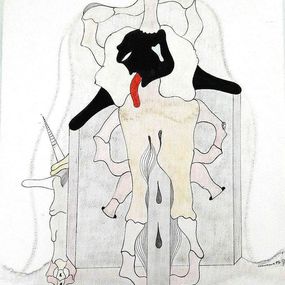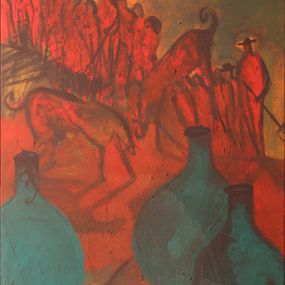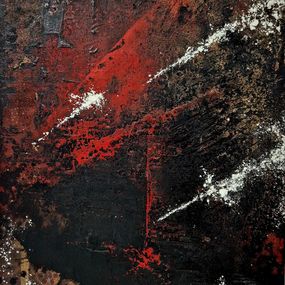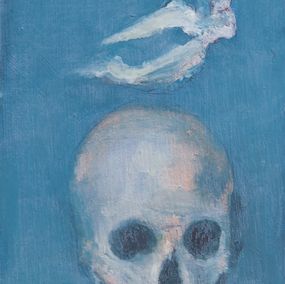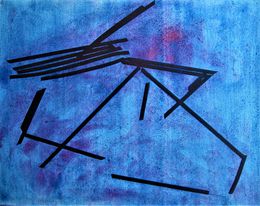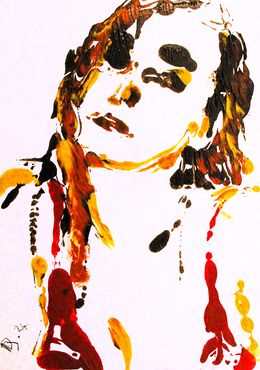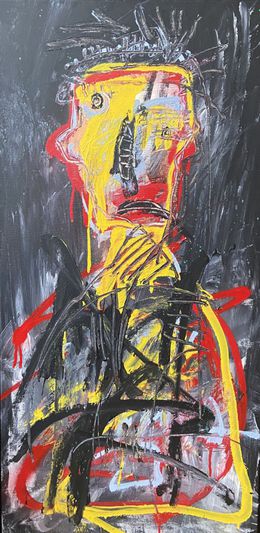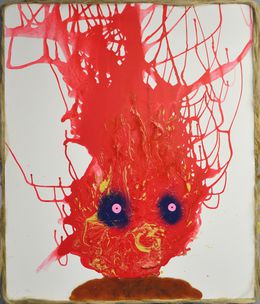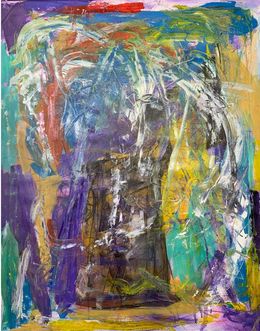



Ambrosio Paolo's art in Abstract Expressionism stands out for some unique characteristics that make him a notable artist in the artistic panorama. Here are some aspects that distinguish his style:
1. Gesture-sign and Spontaneity: Ambrosio Paolo is known for his emphasis on gesture-sign. His pictorial strokes are spontaneous and reflect the direct expression of the artist. This approach to painting creates a sense of vitality and immediacy in his works.
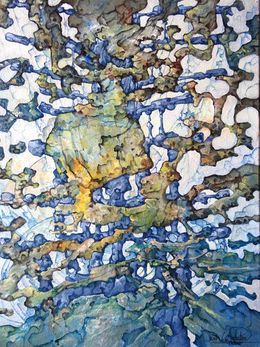
2. Color and Structure: The use of color is central to his work. Ambrosio Paolo uses a vibrant and bold palette, often combining contrasting shades. The colors blend and overlap, creating a dynamic and complex structure.
3. Continued Research: Throughout his career, Ambrosio Paolo continued to explore the meaning of the sign and the relationship. His artistic research was constant, pushing him to experiment with new techniques and concepts.
4. Theoretical Influences: Roland Barthes' theories had a significant impact on his work. The concept of gesture-sign, theorized by Barthes, guided his artistic practice, leading him to explore visual communication through pictorial language.
5. Balance between Abstraction and Expressiveness: Ambrosio Paolo's works oscillate between abstraction and expressiveness. The signs and abstract shapes combine with a profound emotionality, creating a unique balance between rationality and feeling.
In summary, Ambrosio Paolo has created a distinctive visual language that is based on spontaneity, color and constant research. His style is a significant contribution to Italian Abstract Expressionism and continues to inspire art lovers around the world.
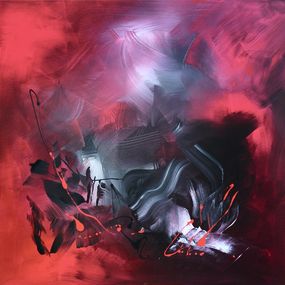
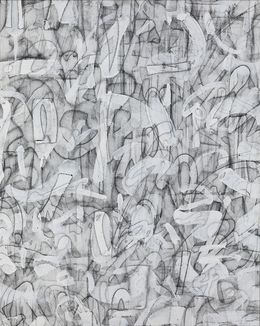
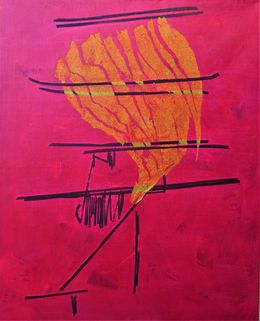
The work is an invitation to personal interpretation, where each element plays an essential role in creating an abstract and dynamic scene. Psychological references such as singing and spirits on the water, as well as the use of pulsing shapes and pieces of canvas, contribute to a sense of movement and balance. As for the social reference, it is not explicitly clear in the image alone. However, the idea that all components possess a life force and are equally important could be interpreted as a metaphor for society, where each individual plays a crucial role in the whole, with no one being more important than others. This interpretation will largely depend on the context or individual perception of the viewer.
There is a clear social reference