





Architecture Painting for Sale
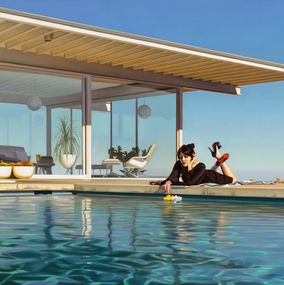
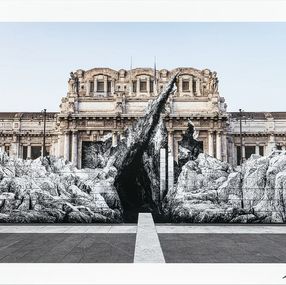
For a long time in the background of academic painting, architecture gradually found a place of choice in the interest of artists. Painters, before photographers, gave an account of what they saw during their travels, and in particular of architecture, from the 17th century onwards when the Grand Tour became fashionable. Others imagined the passage of time, like Hubert Robert who, fascinated by Greco-Roman antiquities, painted his "Imaginary View of the Louvre" in ruins in 1796. In the 19th century, schools of architecture developed, and with them new art projects. Even today, contemporary artists play with the different aspects of architecture and the way it evolves with time. We find then artists like Thierry Van Quickenborne, who plays on the effects of time and nature on architecture with flooded or deserted buildings. Or Soon and his buildings with a childish, almost naive influence. Or even Séverine Dietrich, whose urban landscapes reconcile traditional painting with architectural models!
Discover now a selection of architectural paintings prepared just for you by our experts!
Discover the styles & movements
Discover the selection of our experts





Need help with Architecture Painting ?
What are some famous examples of architecture paintings?
Some famous examples of architecture paintings include "The Starry Night" by Vincent van Gogh, "The Persistence of Memory" by Salvador Dali, and "The Scream" by Edvard Munch. These paintings showcase different styles and interpretations of architecture, from the surreal to the expressionist.
How has architecture influenced painting throughout history?
Architecture has had a significant impact on painting throughout history, with artists often drawing inspiration from the design and structure of buildings. From the Renaissance to modern times, architecture has influenced the composition, perspective, and use of space in paintings, resulting in some of the most iconic works of art.
What techniques do artists use to capture the essence of architecture in their paintings?
Artists use various techniques to capture the essence of architecture in their paintings, such as emphasizing the lines and shapes of the building, playing with light and shadow, and using color to convey mood and atmosphere. They also pay attention to details and textures to create a realistic representation of the structure.
What is an architectural painting?
An architectural painting depicts buildings, monuments, or urban structures, often with great precision in terms of form and perspective. It highlights the aesthetics, history, or atmosphere of the places depicted.
What are the three types of paint?
The three most common types of paint are oil, acrylic, and watercolor. Each differs in its composition, application technique, and the visual effect achieved on canvas.
What are the 3 types of architecture?
The three types of architecture are civil (public and private buildings), religious (places of worship), and military (fortifications). Each reflects a function and aesthetic specific to its use and era.
What is painting in architecture?
Painting in architecture refers to the application of colors or patterns to architectural elements to decorate, protect, or highlight their structure. It contributes to the aesthetics and visual identity of a building.
Choose your preferences
The art is yours
The art is yours
Image search
Upload an image and discover similar artworks available on Artsper