Bronze Sculpture for Sale

Upload an image to find similar artworks

Nationality
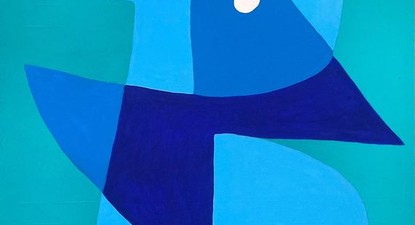
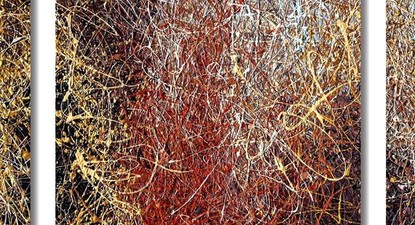
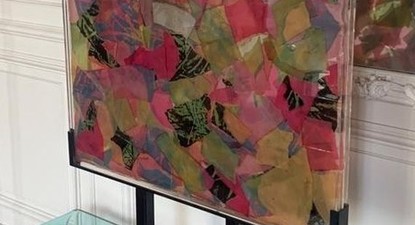
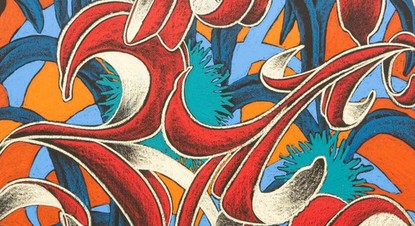
Takako Yamaguchi is a Japanese-American artist born in 1952 in Okayama, Japan. She is now recognized as a major figure in contemporary American painting, associated with postmodern movements and the re-evaluation of decorative painting , ornament, and visual storytelling. Her work is distinguished by a refined aesthetic, blending abstraction, figuration, and references to Western and Asian art history.
She settled in the United States, where she continued her artistic studies and obtained an MFA from the University of California, Berkeley (1978). This training played a key role in the development of her practice, in dialogue with the American artistic debates of the 1970s around painting, feminism and post-minimalist movements.
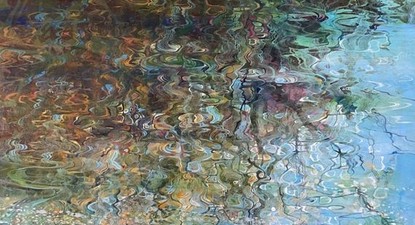
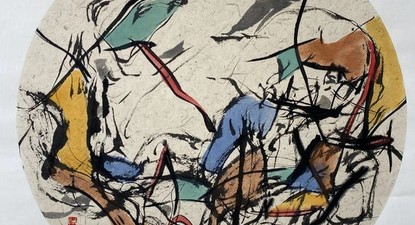
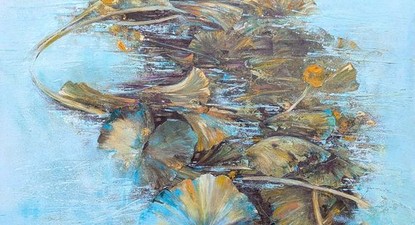
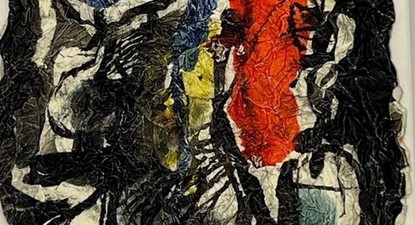
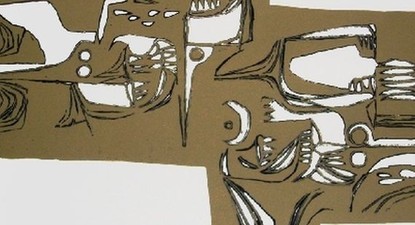
Takako Yamaguchi's practice is often associated with the Pattern and Decoration movement, although she offers a personal and critical reinterpretation of it. She develops paintings with highly textured surfaces, evoking seascapes , skies, imaginary architectures, and ornamental compositions. Her work explores the tension between illusion, surface, and depth, reclaiming forms considered purely decorative in the history of Western art.
She employs a precise pictorial technique, often reminiscent of lacquer or traditional Japanese painting, combining influences from ukiyo-e, European symbolism, and modernist painting. Her works explore notions of taste, artistic hierarchy, and cultural narrative.
Her work has been featured in numerous international institutions, including the Whitney Museum of American Art (New York) and the Institute of Contemporary Art, Los Angeles (ICA LA), through recent exhibitions dedicated to the rediscovery of her oeuvre. She is now recognized as a major artist in the renewal of contemporary figurative and decorative painting.
Her influences include traditional Japanese art, symbolist painting, modernism, and transpacific visual cultures. Her work contributes to redefining the role of ornament and narrative in contemporary painting.



































Choose your preferences
The best
of art, online
SIGN IN - REGISTER
Forgot your password?
No worries, enter you email address and we'll send you a link to reset your password.
ReturnUpload an image and discover similar artworks available on Artsper