GODS OF SUBURBIA
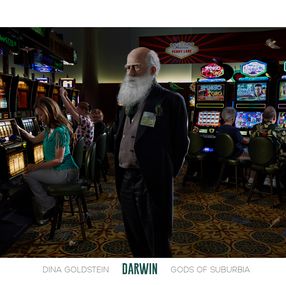
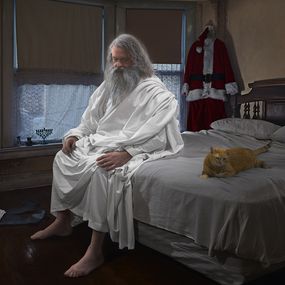
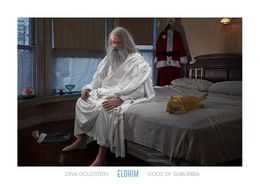
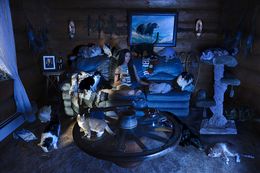
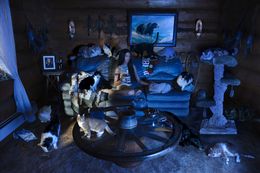
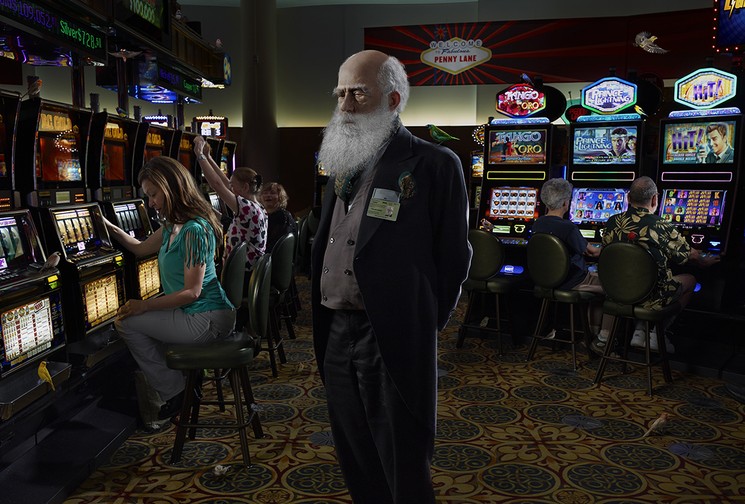
This collection examines the personas of ordinary individuals amidst the backdrop of suburban life. Through a striking series of photographs, Goldstein challenges the notions of contemporary mythology, juxtaposing iconic gods and goddesses from various cultures with the mundane reality of suburban existence. This thought-provoking collection peels back the layers of our culture, revealing the aspirations, struggles, and desires of modern society against a backdrop that is both familiar and surreal.
In this series, Goldstein prompts viewers to question the significance and relevance of ancient myths and deities in our present-day lives, highlighting the contemporary yearning for identity, power, and purpose within the ordinary routines of suburban life. The clash between the mythological and the commonplace brings to light the universal human quest for meaning and the desire to transcend the confines of the everyday. “Gods of Suburbia” challenges preconceived notions about divinity and prompts a deeper reflection on the intricacies of the human condition in the modern world.
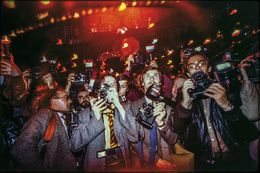
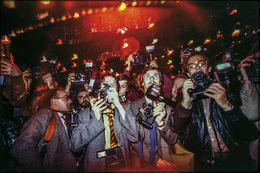
Dina Goldstein’s artistic journey spans over three decades, beginning as a photojournalist and eventually evolving into an independent artist with a focus on elaborate narrative photography. Her work is a testament to her intricate social commentary, blending cultural archetypes and collective imagery with narratives rooted in the human experience. Drawing from surrealism, Dina constructs compositions that lay bare the underbelly of contemporary life, challenging prevailing cultural influences and deep-seated belief systems.
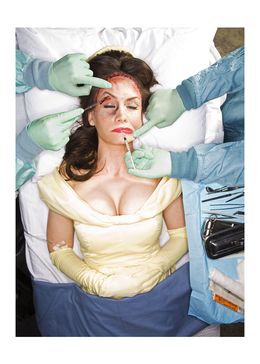
In 2007, Dina Goldstein embarked on a specific journey, fueled by personal experiences and a critical view of the “happily ever after” narrative perpetuated by Disney and embraced by Western society. As a feminist and new mother, she took issue with the stereotypical portrayals of women and girls in Disney’s stories. Her series “Fallen Princesses” (2007-2009) features humanized fairy tale princesses confronting modern-day challenges like cancer, addiction, obesity, war, and environmental degradation. This poignant work earned her the Prix Virginia in 2014, an international prize for women photographers, and led to exhibitions in Paris, Quebec and in the United States.
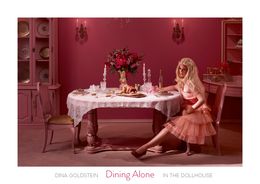
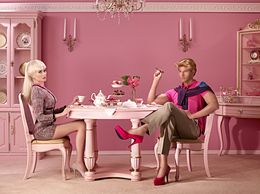
Dina’s subsequent project, “In The Dollhouse” (2012), unfolds within an intricately conceptualized, life-sized dollhouse inhabited by human Barbie and Ken dolls. In this alternative reality, Barbie undergoes a transformation by cutting her iconic blond locks, while Ken embarks on a journey of self-discovery. The series sparks discussions about unattainable beauty ideals, the myth of perfection, and the relationship between beauty, power, and happiness. “In The Dollhouse” has been widely exhibited, including a feature in the Musee D’Orsay’s Frida Kahlo and Diego Rivera catalog and inclusion in the FotoMuseo collection in Colombia.
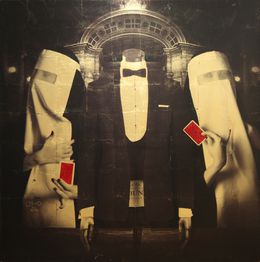
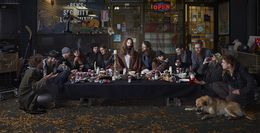
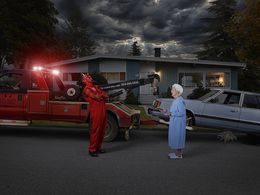
Her ambitious project “Gods Of Suburbia” (2014) delves into the world of established and fringe religions. Deities from various traditions are portrayed as mortal, adapting to the challenges of modern life. By offering an iconoclastic interpretation of how ancient belief systems intersect with modernity’s pillars—technology, science, and secularism—Dina’s surreal creations prompt viewers to contemplate the relevance of ancient ethics and enduring belief systems. The series has been exhibited internationally, with “The Last Supper” finding particular resonance in Italy