Textile sculptures for Sale

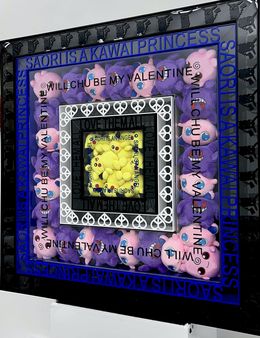
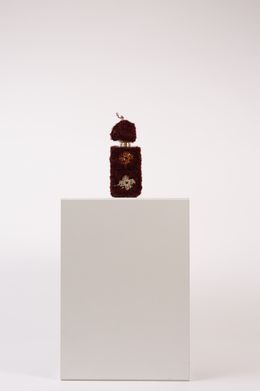
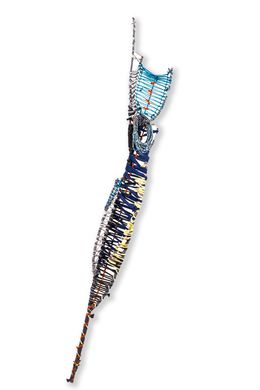
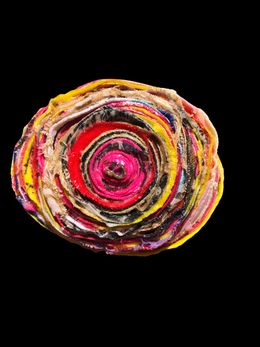
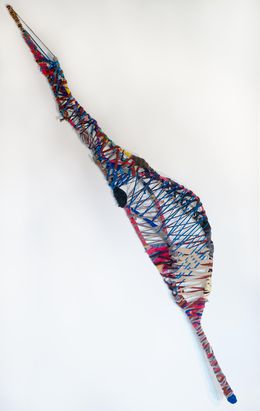
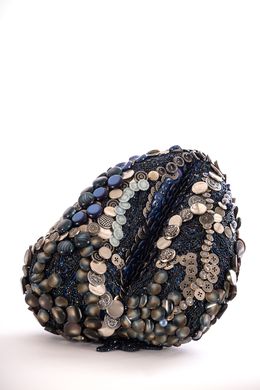
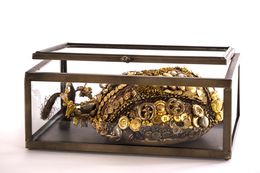
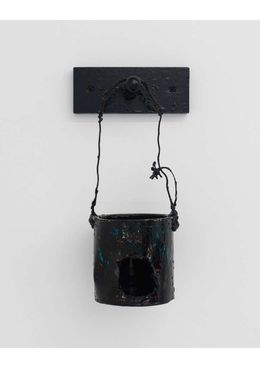
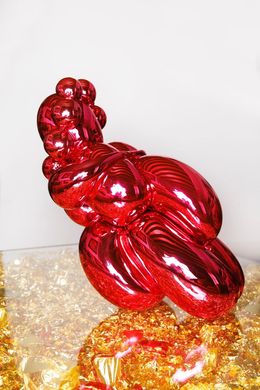
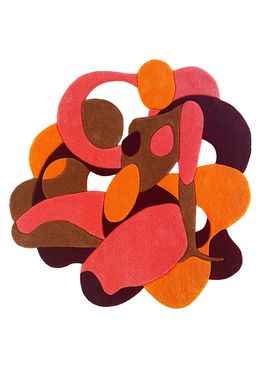
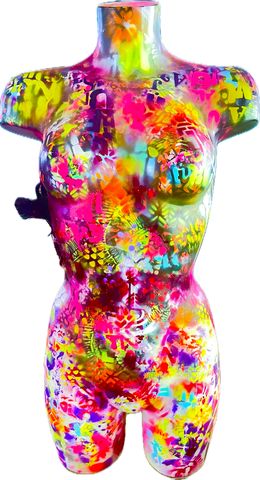
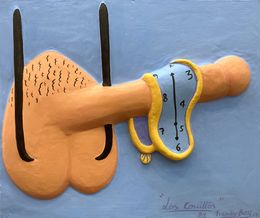
Textile sculpture has secured a distinctive role within contemporary art. A soft and flexible material, textile was long associated with decorative arts before becoming fully integrated into sculptural practice. Textile sculpture is characterized by its ability to create volume through fibers, fabrics or ropes. It allows abstract, figurative or geometric forms, establishing a dialogue between the softness of the material and the strength of the construction.

Textile sculpture takes multiple directions. Some works emphasize weaving and stitching, turning craft-based gestures into artistic language. Others employ stuffing, layering or assemblage, producing organic or modular structures. Textile sculpture also revisits traditional techniques such as patchwork or embroidery, expanding them into sculptural dimensions. Through this integration, the medium enlarges the field of sculpture by connecting it with textile processes.

Textile sculpture appeals to collectors and institutions through its versatility, lightness and formal richness. It adapts equally to private interiors or public settings, distinguished by its ability to unite innovation with tradition. Exploring Artsper's curated selection of textile sculpture enables the inclusion of a significant piece within a collection, combining material presence, flexibility and enduring artistic value.
Read more
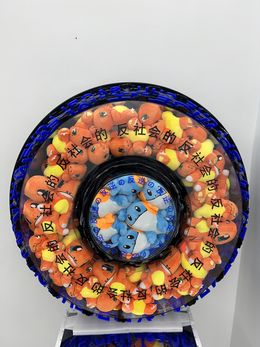
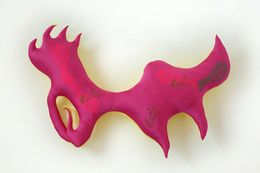
Sculpture, No. 3 Persic, Maria Makarova

Maria Makarova

Sculpture . 13 x 13 x 5 cm Sculpture . 5.1 x 5.1 x 2 inch

€224

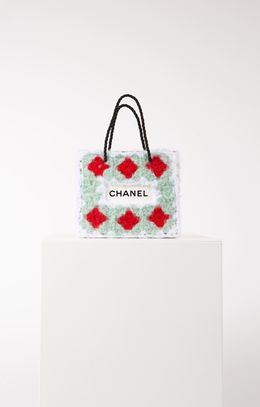
Sculpture, L'Art de Crâner, JP Malot

JP Malot

Sculpture . 17 x 24 x 24 cm Sculpture . 6.7 x 9.4 x 9.4 inch

€2,200

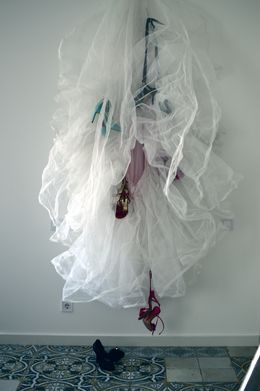
Sculpture, Guests, Elena Bandurka

Elena Bandurka

Sculpture . 210 x 172 x 1 cm Sculpture . 82.7 x 67.7 x 0.4 inch

€10,760

Sculpture, City, Elena Bandurka

Elena Bandurka

Sculpture . 20 x 100 x 100 cm Sculpture . 7.9 x 39.4 x 39.4 inch

€9,863

Sculpture, Female Desires, Elena Bandurka

Elena Bandurka

Sculpture . 220 x 220 x 20 cm Sculpture . 86.6 x 86.6 x 7.9 inch

€8,608

Sculpture, Ego, Kat Zhivetin

Ego

Kat Zhivetin

Sculpture . 35 x 30 x 33 cm Sculpture . 13.8 x 11.8 x 13 inch

€332

Sculpture, Flying Head, Kat Zhivetin

Kat Zhivetin

Sculpture . 37 x 35 x 16 cm Sculpture . 14.6 x 13.8 x 6.3 inch

€359

Sculpture, Cœur 2, Marianne Cresson

Marianne Cresson

Sculpture . 11 x 26 x 35 cm Sculpture . 4.3 x 10.2 x 13.8 inch

€2,800

Sculpture, Cœur 1, Marianne Cresson

Marianne Cresson

Sculpture . 17 x 29 x 40 cm Sculpture . 6.7 x 11.4 x 15.7 inch

€3,000

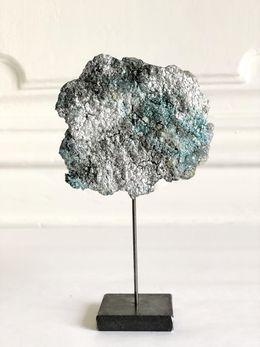
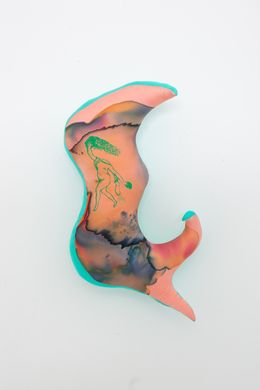
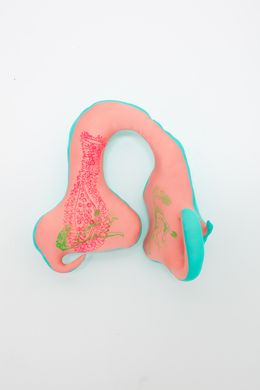
Sculpture, Acid Peat, Tom Bull

Tom Bull

Sculpture . 35 x 18 x 14 cm Sculpture . 13.8 x 7.1 x 5.5 inch

€720

Sculpture, Hippie, Gus Artiste

Gus Artiste

Sculpture . 114 x 118 x 2 cm Sculpture . 44.9 x 46.5 x 0.8 inch

€3,450

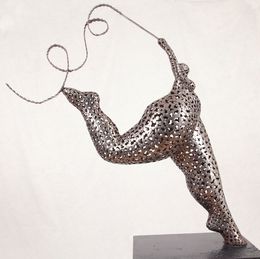
Sculpture, La funambule, Philippe Hiquily

Philippe Hiquily

Sculpture . 150 x 114 x 81 cm Sculpture . 59.1 x 44.9 x 31.9 inch

€70,000

Sculpture, Maïna, Muriel Deumie

Muriel Deumie

Sculpture . 84 x 47 x 15 cm Sculpture . 33.1 x 18.5 x 5.9 inch

€1,000

Sculpture, Deus Inferno, Shinji Nagabe

Shinji Nagabe

Sculpture . 100 x 65 x 10 cm Sculpture . 39.4 x 25.6 x 3.9 inch

€4,600

Sculpture, Happy Ending, Shinji Nagabe

Shinji Nagabe

Sculpture . 190 x 135 x 30 cm Sculpture . 74.8 x 53.1 x 11.8 inch

€9,000

Sculpture, Bergère, Marianne Cresson

Marianne Cresson

Sculpture . 107 x 32 x 15 cm Sculpture . 42.1 x 12.6 x 5.9 inch

€1,600

4/4
Need help with Textile sculptures ?
What materials are commonly used to create textile sculptures?

Textile sculptures are typically created using materials such as fabric, thread, wire, and stuffing. These materials allow for flexibility and manipulation, making it possible to create intricate and detailed sculptures. The choice of materials can vary depending on the artist's preference and the desired outcome of the sculpture.

How do artists create intricate details and textures in their textile sculptures?

Artists use a variety of techniques to create intricate details and textures in their textile sculptures, such as embroidery, appliqué, quilting, and weaving. They may also use different materials, such as yarn, fabric, and thread, to add depth and dimension to their work. The key is to experiment with different techniques and materials to achieve the desired effect.

What are some famous examples of textile sculptures and where can they be found?

Some famous examples of textile sculptures include Magdalena Abakanowicz's "Abakans" and Sheila Hicks' "Pillar of Inquiry/Supple Column." These can be found in various museums and galleries around the world, such as the Metropolitan Museum of Art in New York and the Centre Pompidou in Paris.