






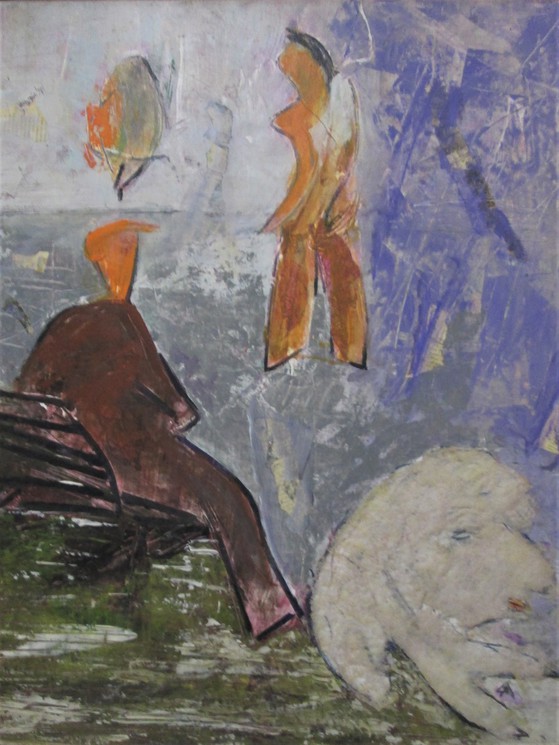

Old man with dog 2011, 2011
Painting : collage, mixed media · 90 x 80 x 4 cm 35.4 x 31.5 x 1.6 inch · Ready to hang
$1,867
1 867 $US
Shipping & delivery
Shipped from: France
Delivery to: United States , $ 210
Estimated delivery: Less than one week
Free returns within 14 days, full refund
Authenticity guaranteed
Sold with certificate of Authenticity from the artist
Invoice from the gallery Learn more
Secure payment • Card, Amex, PayPal...
We accept several payment methods:
Paypal
American Express
Visa
Mastercard
Apple Pay
Google Pay
- Credit cards (Visa, MasterCard)
- American Express
- PayPal
- Bank transfer
- Gift card
- Apple Pay / Google Pay
All payments are secured with 3D Secure validation to protect your confidential information.
Verified Reviews : 9.6/10
Similar works

Emmanuelle Vroelant
Painting . 83 x 54 x 3 cm Painting . 32.7 x 21.3 x 1.2 inch
$1,867
Recommended by Artsper


Tatiana Kyriakidou
Painting . 70 x 100 x 2 cm Painting . 27.6 x 39.4 x 0.8 inch
$1,867
Recommended by Artsper

Mike Jacobs
Painting . 82 x 51 x 0.4 cm Painting . 32.3 x 20.1 x 0.2 inch
$1,867
Recommended by Artsper

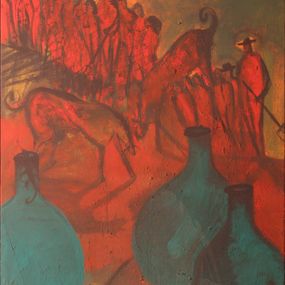
Toni Caldentey
Painting . 116 x 81 x 2 cm Painting . 45.7 x 31.9 x 0.8 inch
$2,334
Recommended by Artsper
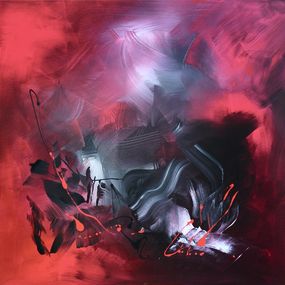
Paresh Nrshinga
Painting . 100 x 100 x 4 cm Painting . 39.4 x 39.4 x 1.6 inch
$1,946
Recommended by Artsper

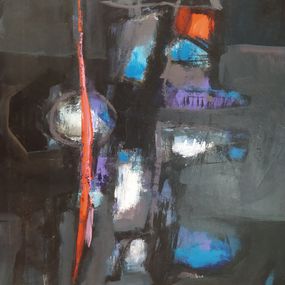

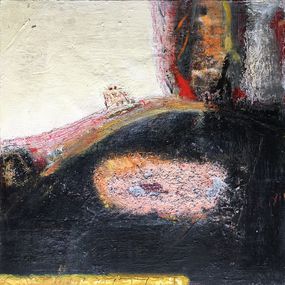


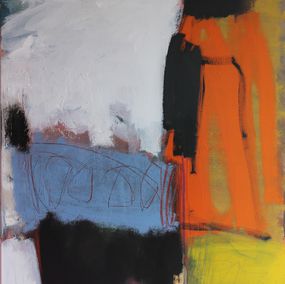


Mansour El Habre
Fine Art Drawings . 42 x 30 x 1 cm Fine Art Drawings . 16.5 x 11.8 x 0.4 inch
$2,218
About the artwork
Type
Painting : Unique artwork
Condition
Artwork sold in perfect condition, framed, ready to hang
Unstretched (shipped rolled)
Authenticity
Sold with certificate of Authenticity from the artist
Invoice from the gallery
Signature
Hand-signed by artist
Technique & Support
collage , mixed media on canvas
Dimensions ( cm • inch )
90 x 80 x 4 cm 35.4 x 31.5 x 1.6 inch Height x Width x Depth
Artwork dimensions including frame
90.1 x 80.1 x 40.1 cm 35.5 x 31.5 x 15.8 inch
Sold by
Art gallery
Credentials
Vetted seller since 2022
Description
Ambrosio Paolo's art in Abstract Expressionism stands out for some unique characteristics that make him a notable artist in the artistic panorama. Here are some aspects that distinguish his style:
1. Gesture-sign and Spontaneity: Ambrosio Paolo is known for his emphasis on gesture-sign. His pictorial strokes are spontaneous and reflect the direct expression of the artist. This approach to painting creates a sense of vitality and immediacy in his works.
2. Color and Structure: The use of color is central to his work. Ambrosio Paolo uses a vibrant and bold palette, often combining contrasting shades. The colors blend and overlap, creating a dynamic and complex structure.
3. Continued Research: Throughout his career, Ambrosio Paolo continued to explore the meaning of the sign and the relationship. His artistic research was constant, pushing him to experiment with new techniques and concepts.
4. Theoretical Influences: Roland Barthes' theories had a significant impact on his work. The concept of gesture-sign, theorized by Barthes, guided his artistic practice, leading him to explore visual communication through pictorial language.
5. Balance between Abstraction and Expressiveness: Ambrosio Paolo's works oscillate between abstraction and expressiveness. The signs and abstract shapes combine with a profound emotionality, creating a unique balance between rationality and feeling.
In summary, Ambrosio Paolo has created a distinctive visual language that is based on spontaneity, color and constant research. His style is a significant contribution to Italian Abstract Expressionism and continues to inspire art lovers around the world.
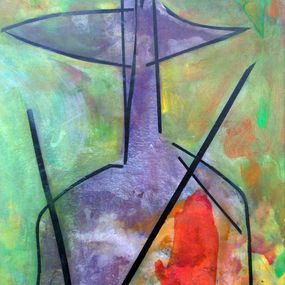
The painting seems to evoke a deep sense of reflection and companionship. It captures the essence of an old man in a moment of rest, possibly reminiscing about the past, while the presence of his dog offers comfort and anticipation for the future. The use of dreamlike imagery in the upper part of the painting adds a layer of poetic abstraction, blurring the boundaries between memory and reality. The love for the dog becomes a source of strength and hope, bridging the gap between the imaginary and the tangible. Overall, it’s a beautiful portrayal of human emotions and connections
This is a figurative work. The old man waiting for tomorrow in the company of his dog
The painting is full of poetry. The old man rests tiredly on the garden bench. Images of his past appear in his mind, depicted as if in a dream in the upper part of the painting. Between the imaginary and the real there is the love for the dog that gives him strength and hope for tomorrow
The image speaks: I was generated by an automatic drawing on the Place du Licée in Saint Tropez. The poem of the man with the dog is evoked by the social condition of the time. I don't feel like the memory of an immortalized moment, but like an active part of the place that welcomes me.
The painting is full of poetry. The old man rests tiredly on the garden bench. Images of his past appear in his mind, depicted as if in a dream in the upper part of the painting. Between the imaginary and the real there is the love for the dog that gives him strength and hope for tomorrow
Presentation
Ambrosio Paolo, after years of preparation, he moved towards painting with a fundamental gestural attitude and developed his own method which took advantage of the immediacy of the gesture-sign of IMAGE-ART.
In the canvas, as in a "court of words", the gesture activates the vibrations that bring into the world a reality suspended in time. The gesture draws its reality, penetrates its secrets and becomes aware of an underlying labyrinth. These gestures do not have in themselves the ambiguity of the gesture since they free themselves, in the dynamics of the work, from the traces of the movement of the hand.
IMAGE-ART is an artistic practice that has used the eye's ability to manage GESTURE since the 1970s. Ambrosio follows GESTURE in the footsteps of the hand movement where an expressive form emerges, a SIGN that gives freedom to GESTURE. In practice, GESTURE activates resources and allows the value of the SIGN to be transposed into the work.
Discover similar artists



Reviews from our customers
All our reviews are extracted from Verified Reviews
You may also like

Serge Plagnol
Painting . 195 x 130 x 5 cm Painting . 76.8 x 51.2 x 2 inch
$10,504

Juliane Hundertmark
Painting . 70 x 50 x 3 cm Painting . 27.6 x 19.7 x 1.2 inch
$2,101
Gilbert Sabatier
Painting . 50 x 40 x 1.8 cm Painting . 19.7 x 15.7 x 0.7 inch
$1,517
Recommended by Artsper

Paolo Ambrosio
Painting . 70 x 50 x 4 cm Painting . 27.6 x 19.7 x 1.6 inch
$1,629

Vasyl Khodakivskyi
Painting . 50 x 70 x 2 cm Painting . 19.7 x 27.6 x 0.8 inch
$2,101
Recommended by Artsper
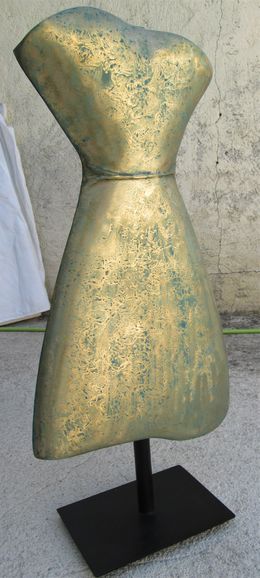
Paolo Ambrosio
Sculpture . 99 x 46 x 22 cm Sculpture . 39 x 18.1 x 8.7 inch
$3,385
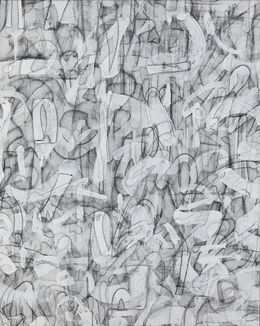

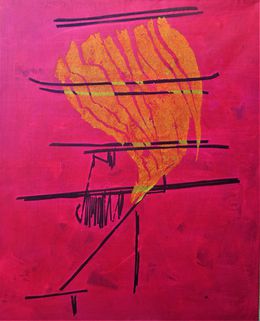

Corine Sylvia Congiu
Painting . 100 x 50 x 1.5 cm Painting . 39.4 x 19.7 x 0.6 inch
$1,459
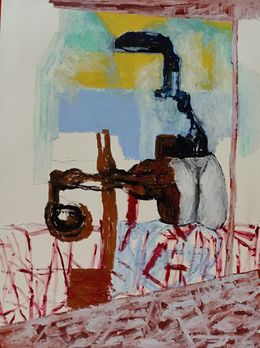

Sophie André
Painting . 70 x 50 x 2 cm Painting . 27.6 x 19.7 x 0.8 inch
$1,307
Recommended by Artsper


Ansgar Dressler
Painting . 101.6 x 101.6 x 3 cm Painting . 40 x 40 x 1.2 inch
$1,600
Recommended by Artsper

Tanya Lytko
Painting . 100 x 100 x 3 cm Painting . 39.4 x 39.4 x 1.2 inch
$2,503
Recommended by Artsper
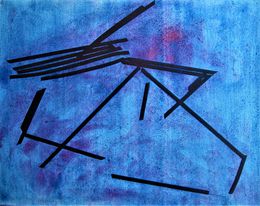
Paolo Ambrosio
Painting . 80 x 100 x 3 cm Painting . 31.5 x 39.4 x 1.2 inch
$1,401


Christos Kalfas
Painting . 40 x 40 cm Painting . 15.7 x 15.7 inch
$2,101


Mea Ambrozo
Painting . 70 x 70 x 4 cm Painting . 27.6 x 27.6 x 1.6 inch
$2,334
Recommended by Artsper

Theodor Grigoras
Painting . 120 x 100 x 3 cm Painting . 47.2 x 39.4 x 1.2 inch
$2,334

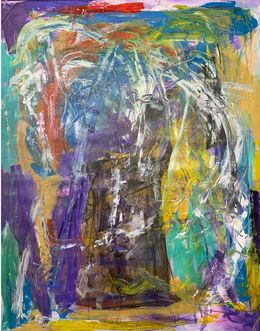
Gbemileke Blessing Adegboro
Painting . 76.2 x 62 x 2.5 cm Painting . 30 x 24.4 x 1 inch
$1,200

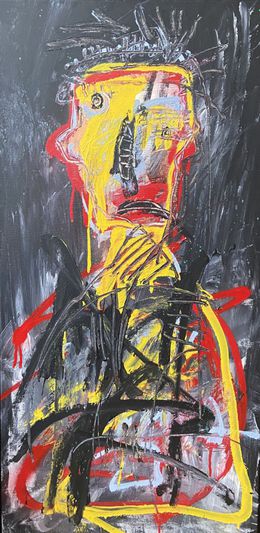
Martine Fauve Dechavanne
Painting . 146 x 114 x 2 cm Painting . 57.5 x 44.9 x 0.8 inch
$2,801 $2,381


Need help?
How do I showcase my work?
Have you purchased a painting, sculpture or work on paper?
Find our expert advice for the conservation and promotion of your works in the articles below:
Protect your purchase with Artsper: Buy with confidence
At Artsper, our mission is to allow you to collect works of art with complete peace of mind. Discover the protections we offer at every stage of your shopping experience.
Buy works from top galleries
We work in close collaboration with carefully selected art galleries. Each seller on Artsper is carefully examined and approved by our team, thus ensuring compliance with our code of ethics. You therefore have the assurance of purchasing authentic, high-quality works.
Total transparency: you know what you are buying
Before being posted online, all artwork on Artsper is reviewed and validated by our moderation team. You can browse with complete peace of mind, knowing that each piece meets our criteria of excellence.
Personalized support: our experts at your service
Our team of contemporary art experts is available by phone or email to answer all your questions. Whether you want advice on a work or a tailor-made selection to enrich your collection, we are here to support you.
Resell your works with ease
If you have purchased a work on Artsper and wish to resell it, we offer you a dedicated platform to relist it. To find out more, click here.
Make offers with Artsper: negotiate like in a gallery
You have the possibility to propose a price for certain works, just like in a gallery. This feature allows you to initiate discussions and potentially acquire your coins at advantageous prices.
Get help with your negotiations
Our team will negotiate for you and inform you as soon as the best offer is obtained. Do not hesitate to call on our expertise to ensure a transaction at the best price.
Order securely
Artsper satisfaction assurance
We want you to be completely satisfied with your purchase. If the work you receive is not to your liking, you have 14 days to return it free of charge, and you will be refunded in full, whatever the reason.
Secure payment with Artsper partners
All credit card payments are processed by Paybox, the world leader in payment solutions. Thanks to their strict security standards, you can transact with confidence.
Problem Support
In the rare event that an artwork arrives damaged or not as described, we are here to help. Whether for a return, refund, restoration or exchange, our team will support you throughout the process and will ensure that we find the solution best suited to your situation.
Conditions to benefit from Artsper protections:
Use one of the payment methods available on Artsper for your order.
Report any problems within one week of receiving the work.
Provide required photographic evidence (including original artwork and packaging).
Artsper guarantees cover the following cases:
The received work lacks a described characteristic (for example, a signature or frame).
The artwork has significant differences from its description (e.g. color variation).
The work is damaged upon receipt.
The work is lost or damaged by the carrier.
Delivery is significantly delayed.
With Artsper, you collect with complete peace of mind.
Why choose Artsper for your art purchases
Artsper offers you access to more than 200,000 works of contemporary art from 2,000 partner galleries. Our team of experts carefully selects galleries to guarantee the quality and originality of the works.
You benefit from:
Works at gallery price
Return within 14 days, regardless of your location
Easy resale of the work purchased on Artsper
Personalized research tools (selection and tailor-made universe)
Our customer service is available for any assistance.
Where can I be delivered?
Artsper delivers internationally. The list of countries is available in the first step of your cart.
If your country is not listed contact us at [email protected] and we will see what we can do.
Note that Customs fees may apply for works shipped internationally. This is indicated in the first step of the shopping cart.
You can choose a delivery address different from the billing address. Make sure that a trusted person is present to receive the work if you cannot be there.