Abstract Painting for Sale

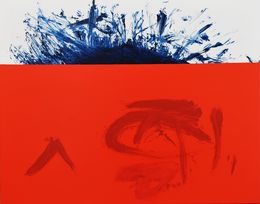
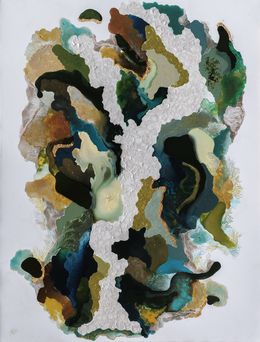
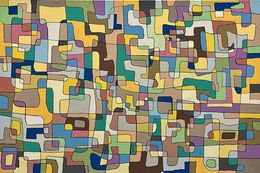
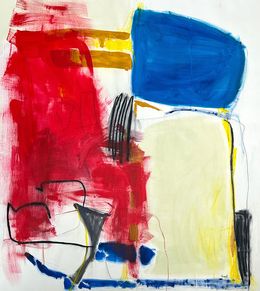
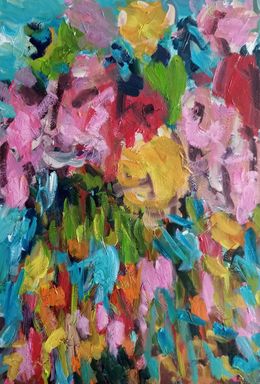
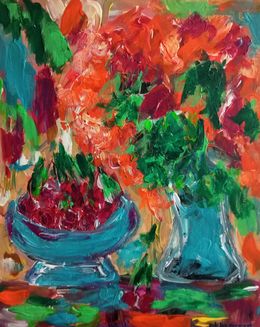
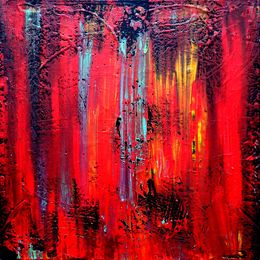
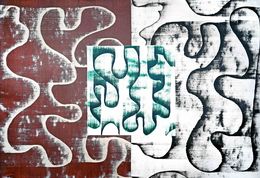
Abstract painting stands in contrast to representational art, where capturing a subject's likeness is the main objective. Instead, abstraction moves away from figurative representation, prioritizing emotion, color, shape, and composition. Even without a clear subject, abstract art can evoke deep feelings and interpretations, allowing viewers to experience the artwork on a personal level.

The origins of abstract painting are often linked to Vassily Kandinsky, one of the pioneers of 20th-century abstraction. His revolutionary approach, alongside Kazimir Malevich, Piet Mondrian, and František Kupka, redefined modern art. Kandinsky not only painted abstract works but also theorized them in his influential 1910 book, Concerning the Spiritual in Art. He argued that every element in a painting holds symbolic significance, giving each artwork a spiritual dimension. That same year, he unveiled Abstract Watercolor, considered one of the first purely abstract paintings. This marked a turning point where artists moved away from realism and representation, instead focusing on intangible concepts and emotions.

Kazimir Malevich further expanded abstraction with Suprematism, a movement centered on pure geometric shapes and dynamic forces within a composition. His famous paintings Black Square (1915) and White on White (1918) emphasized simplicity, balance, and harmony. Meanwhile, lyrical abstraction flourished, often inspired by music and emotions. Kandinsky's Picture with the Black Arch (1912) embodies this approach, using vibrant colors and dynamic forms to evoke musical compositions. His synesthesia—a condition that allowed him to "hear" colors and "see" sounds—played a key role in shaping his unique artistic language.

Geometric abstraction emerged as a distinct branch, focusing on precise lines, bold shapes, and structured compositions. Artists like Mondrian and Kupka sought purity in art through mathematical precision. Mondrian developed a signature style of grids, right angles, and primary colors, defining geometric abstraction as a pursuit of visual balance and order. Despite his contributions, Kupka resisted the term "abstract," believing art should be tangible and concrete rather than intangible.

Robert and Sonia Delaunay also played a major role in abstraction's development. Their vibrant use of color and circular forms caught the attention of poet and critic Guillaume Apollinaire, who named their style Orphism. This movement blended dynamic color harmonies with abstract compositions, bridging the gap between lyrical and geometric abstraction.

Abstract art didn't emerge in isolation; it evolved from earlier artistic movements. Fauvism explored bold, expressive color, while Cubism deconstructed shapes into geometric forms. German Expressionism, founded in 1905, emphasized emotion over realism, paving the way for abstraction's focus on inner experience rather than external representation. By breaking from tradition, abstract art enabled modern artists to push creative boundaries, free from the constraints of recognizable reality.

Today, abstract art remains a universal language, continuously influencing contemporary artistic expression. Its evolution has shaped the way artists and audiences engage with modern and contemporary art. Explore abstract masterpieces by influential artists such as Henri Matisse, Jackson Pollock, and Mark Rothko, and discover how abstraction continues to redefine the art world.
Read more
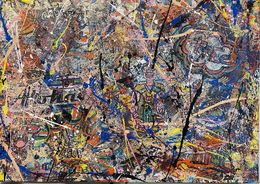
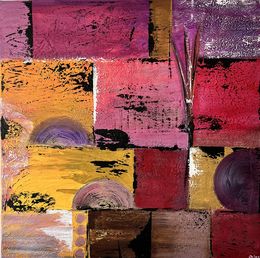
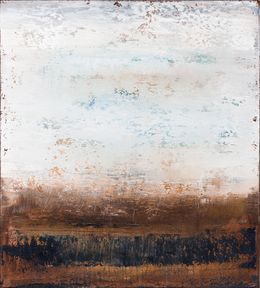
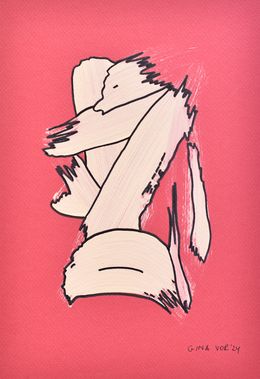
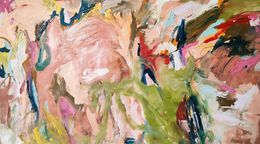
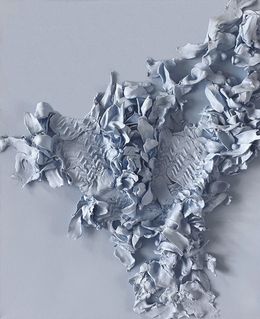
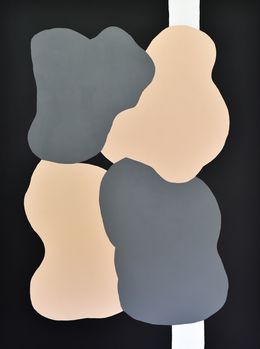
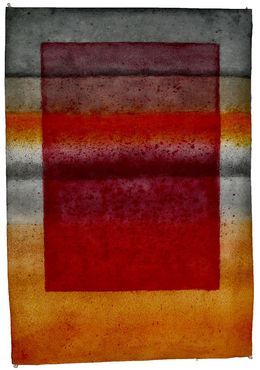
Painting, Sans titre, Matthieu Dorval

Matthieu Dorval

Painting . 30 x 40 x 0.1 cm Painting . 11.8 x 15.7 x 0 inch

€980

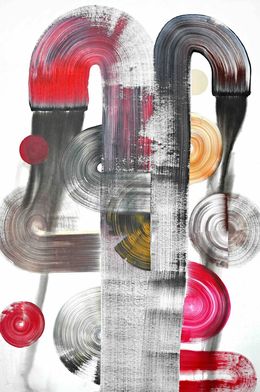
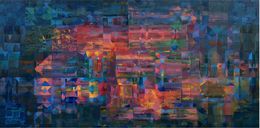
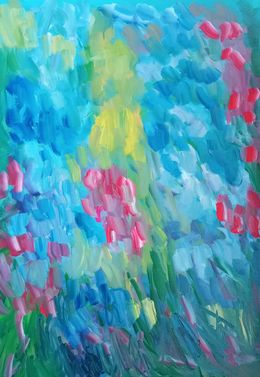
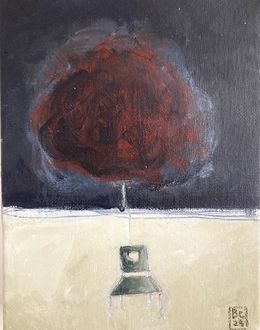
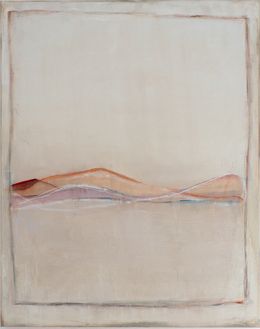
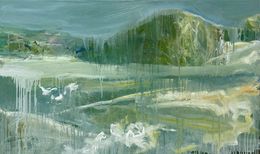
Painting, Mirage VI, 1, Man et Pia

Man et Pia

Painting . 40 x 40 x 1 cm Painting . 15.7 x 15.7 x 0.4 inch

€750

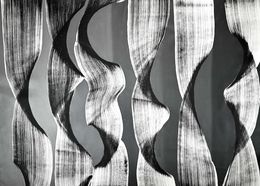
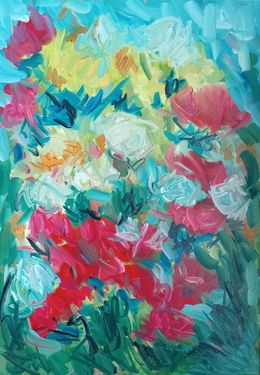
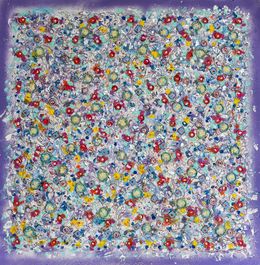
Painting, Vero Rotto, Sven

Sven

Painting . 100 x 81 x 3 cm Painting . 39.4 x 31.9 x 1.2 inch

€4,500

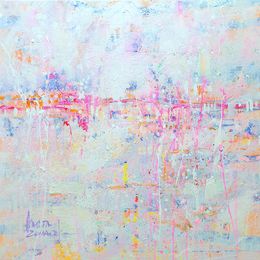
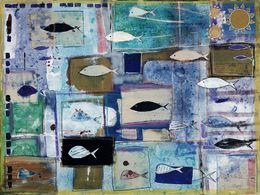
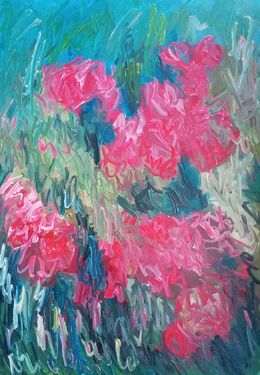
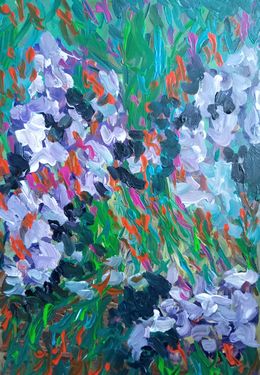
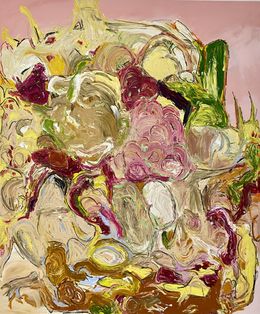
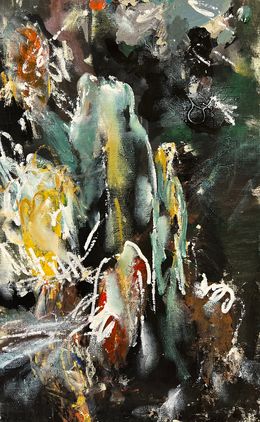
Painting, Triptyque Flore, Willy Chupa

Willy Chupa

Painting . 29.7 x 62.4 x 0.1 cm Painting . 11.7 x 24.6 x 0 inch

€700

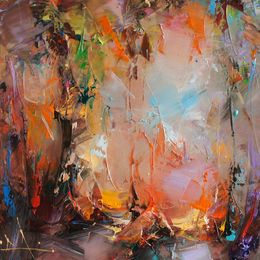
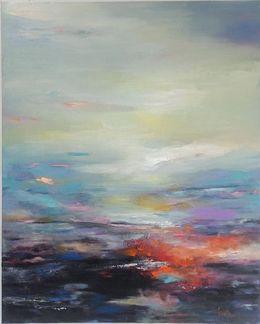
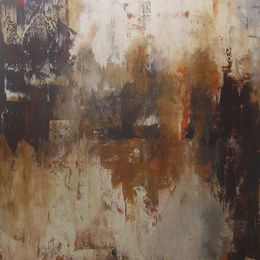
Painting, Décadence, Myriam Eonnet

Myriam Eonnet

Painting . 92 x 65 x 2 cm Painting . 36.2 x 25.6 x 0.8 inch

€2,560

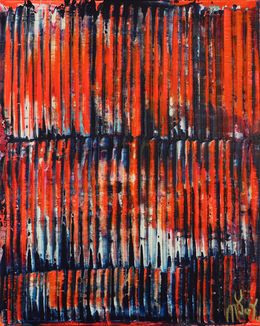
Painting, Les Couteaux, Karin Boinet

Karin Boinet

Painting . 74 x 54 x 0.1 cm Painting . 29.1 x 21.3 x 0 inch

€1,500

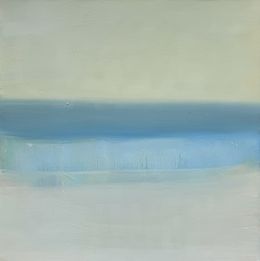
Painting, Vague 2, Poser

Poser

Painting . 30 x 30 x 3 cm Painting . 11.8 x 11.8 x 1.2 inch

€110

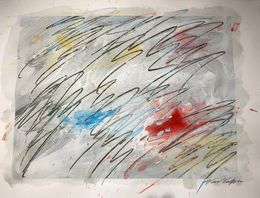
Painting, Zig Zag Sketch, Simon Findlay

Simon Findlay

Painting . 493 x 320 x 2 cm Painting . 194.1 x 126 x 0.8 inch

€4,400

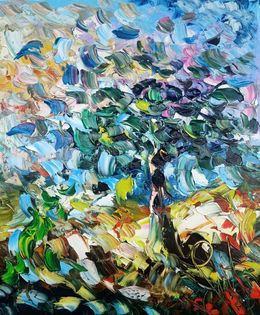
Painting, Paysage 127, Jean Krillé

Jean Krillé

Painting . 65 x 92 x 1 cm Painting . 25.6 x 36.2 x 0.4 inch

€2,146

Painting, Solitude, Sandra Bédu

Sandra Bédu

Painting . 100 x 100 x 2 cm Painting . 39.4 x 39.4 x 0.8 inch

€900

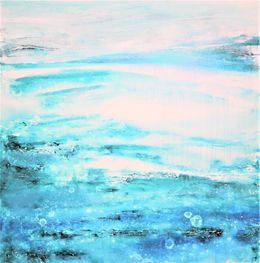
Painting, Blueness, Trayko Popov

Trayko Popov

Painting . 80 x 100 x 2 cm Painting . 31.5 x 39.4 x 0.8 inch

€3,000

Painting, Vague Downward, Tomo Sakurai

Tomo Sakurai

Painting . 100 x 81 x 3 cm Painting . 39.4 x 31.9 x 1.2 inch

€4,000

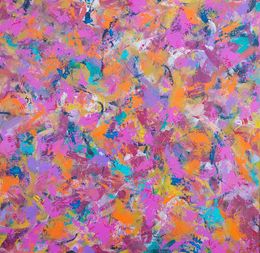
Painting, Improvisation 3, Vera Klimova

Vera Klimova

Painting . 80 x 80 x 2 cm Painting . 31.5 x 31.5 x 0.8 inch

€1,139 €1,025

Painting, Marcel Duchamp, Julien Cuny

Julien Cuny

Painting . 114 x 146 x 3 cm Painting . 44.9 x 57.5 x 1.2 inch

€1,800

Painting, The Source, Klaudia Lata

Klaudia Lata

Painting . 200 x 160 x 3 cm Painting . 78.7 x 63 x 1.2 inch

€5,500

Painting, Dreaming field, Layla Dagher

Layla Dagher

Painting . 50 x 60 x 2 cm Painting . 19.7 x 23.6 x 0.8 inch

€1,800

Painting, YGB, Tiberiu Soos

YGB

Tiberiu Soos

Painting . 70 x 150 x 2 cm Painting . 27.6 x 59.1 x 0.8 inch

€950

Painting, Miami, Lucky

Lucky

Painting . 60 x 60 x 2 cm Painting . 23.6 x 23.6 x 0.8 inch

€999

Painting, Summer Breeze, Henrietta

Henrietta

Painting . 90 x 90 x 4 cm Painting . 35.4 x 35.4 x 1.6 inch

€4,521

Painting, No.496, Raphael Durans

Raphael Durans

Painting . 110 x 100 x 3 cm Painting . 43.3 x 39.4 x 1.2 inch

€5,000

Painting, Sans titre, Jacques Rouby

Jacques Rouby

Painting . 102 x 80 cm Painting . 40.2 x 31.5 inch

€4,500

Painting, Tealia, Sumit Mehndiratta

Sumit Mehndiratta

Painting . 60 x 40 x 2 cm Painting . 23.6 x 15.7 x 0.8 inch

€850

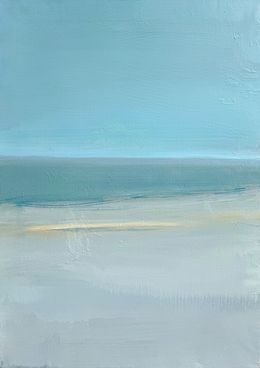
Painting, Deserted shores, Paul B

Paul B

Painting . 60 x 97 x 4 cm Painting . 23.6 x 38.2 x 1.6 inch

€2,487

Painting, Untitled 60, Eva Pacheco

Eva Pacheco

Painting . 50 x 100 x 3 cm Painting . 19.7 x 39.4 x 1.2 inch

€2,000

Painting, The Settlement, Amogh Katyayan

Amogh Katyayan

Painting . 101.6 x 76.2 x 1.9 cm Painting . 40 x 30 x 0.75 inch

€1,640

Painting, Soda, Marcus Aitken

Marcus Aitken

Painting . 100 x 76 x 0.1 cm Painting . 39.4 x 29.9 x 0 inch

€2,933

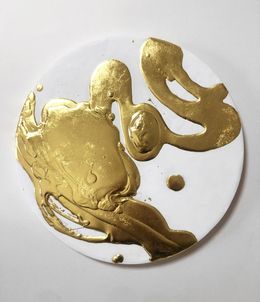
Painting, Golden waves II, Alla Grande

Alla Grande

Painting . 100 x 80 x 4 cm Painting . 39.4 x 31.5 x 1.6 inch

€2,300

Painting, Sunset, Weronika Dylag

Weronika Dylag

Painting . 100 x 85 x 4 cm Painting . 39.4 x 33.5 x 1.6 inch

€2,200

Painting, Cosmo, Alena Di Santo

Alena Di Santo

Painting . 80 x 80 x 2 cm Painting . 31.5 x 31.5 x 0.8 inch

€547

Need help with Abstract Painting for Sale ?
What is meant by abstract painting?

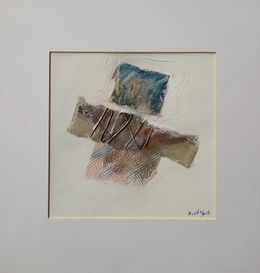
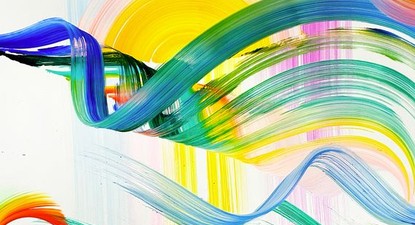
Abstract painting refers to the type of painting that does not make visual reference to the real world. Art that does aim to do this is called figurative art. Instead, abstract art uses some combination of color, shape, line, forms and marks to achieve an outcome. This often allows the viewer the freedom to interpret the work independently and to assign to it their own meaning. 
Is abstract painting easy?

Like most art forms, abstract painting is as easy as the effort that is put into it. While someone could theoretically create an easy abstract artwork, the ones that are remembered and that resonate with their audience are certainly not easy to create. They require an excellent understanding of visual language such as shape, color and form, as well as advanced technical skills to execute them.

What do I need to do an abstract painting?

To create an abstract painting, you will require at least some form of surface, such as canvas, paper or wood, and paint, such as acrylic, oil or watercolor.  

What is meant by abstract painting?

Abstract painting is a style of art that does not attempt to represent reality accurately but instead uses shapes, colors, forms, and gestural marks to achieve its effect. It focuses on evoking emotions or ideas rather than depicting recognizable subjects.

What is the rule of abstract painting?

The rule of abstract painting is that there are no strict rules; artists focus on expressing emotions, ideas, or concepts through colors, shapes, and forms rather than realistic representation. Freedom and personal interpretation are central to abstract art.

What are the 5 main characteristics of abstract art?

The five main characteristics of abstract art are non-representational forms, emphasis on color and shapes, expressive brushwork, focus on composition, and the evocation of emotions rather than depicting reality.

Who are the two most famous abstract painters?

Wassily Kandinsky and Piet Mondrian are two of the most famous abstract painters. Their works revolutionized modern painting by emphasizing geometric shapes, colors, and compositions.