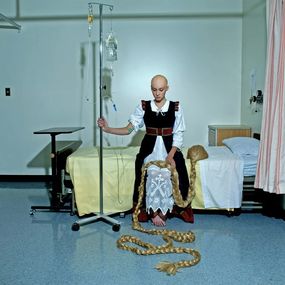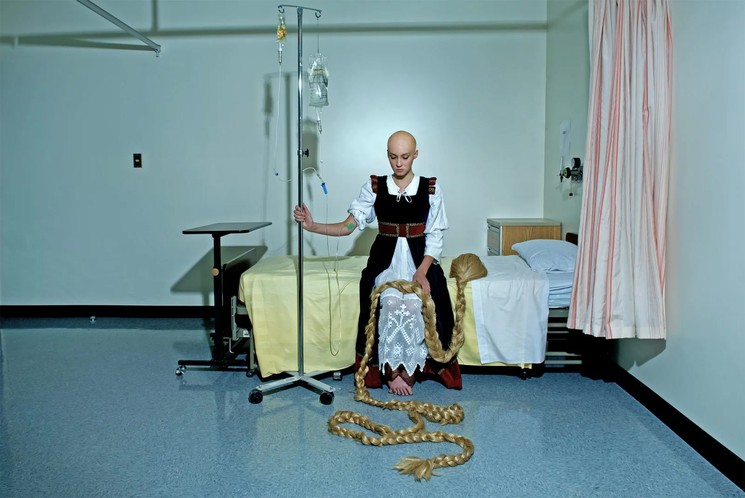
Rapunzel from the Fallen Princesses collection by Dina Goldstein
This artwork presents a poignant and striking juxtaposition between the clinical and symbolic worlds. At the centre of the scene, a human figure, dressed in traditional costume, evokes a sense of nostalgia and cultural heritage. She sits on a hospital bed, creating a stark contrast between the austere décor of the medical room and the richness of the clothing. The pale colour of the walls and the blue-tiled floor further emphasise the cold and impersonal atmosphere of the hospital. Beside the bed, a long golden braid stretches across the floor, captivating in its vibrant colour and imposing presence, perhaps symbolising vitality or a connection with the past. The figure's face is serious, almost meditative, reflecting deep introspection and potentially the struggle between tradition and modernity, health and illness, fragility and strength. The drip at her side reinforces the idea of dependency and vulnerability. The artist manages to capture a moment of intimacy and silence, transforming a sterile environment into a scene rich with meaning and emotion. This work, through the bold use of cultural motifs and modern elements, encourages reflection on identity, resilience and continuity within healing spaces.
DINA GOLDSTEIN
Dina Goldstein's artistic journey spans more than three decades. She began as a photojournalist and became an independent artist focused on elaborate narrative photography. Her work exhibits complex social commentary, blending cultural archetypes and collective imagery with narratives rooted in the human experience. Drawing inspiration from surrealism, Dina constructs compositions that lay bare the underbelly of contemporary life, challenging dominant cultural influences and deeply held belief systems.
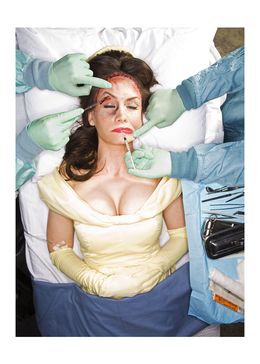
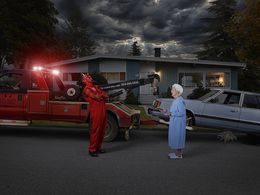
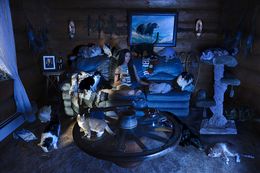
In 2007, Dina Goldstein embarked on a unique journey, fueled by personal experiences and a critical view of the “happily ever after" narrative perpetuated by Disney and embraced by Western society. As a feminist and new mother, she challenged the stereotypical portrayal of women and girls in Disney stories. Her series “Fallen Princesses" (2007-2009) depicts fairytale princesses humanized and confronted with modern challenges such as cancer, drug addiction, obesity, war, and environmental degradation. This poignant work earned her the Virginia Prize in 2014, an international award for women photographers, and has led to exhibitions in Paris, Quebec, and the United States.
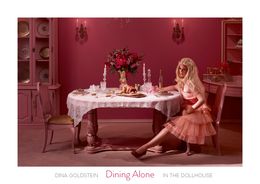
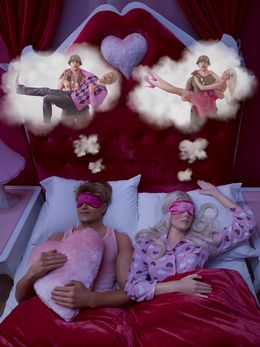
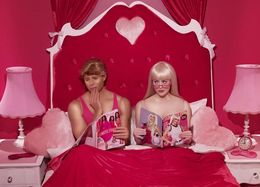
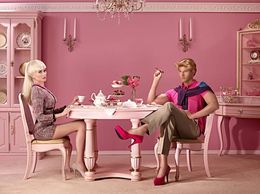
Dina's next project, “In The Dollhouse" (2012), is set in an intricately conceptualized, life-size dollhouse inhabited by human Barbie and Ken dolls. In this alternate reality, Barbie undergoes a transformation by cutting off her iconic blonde locks, while Ken embarks on a journey of self-discovery. The series sparks discussions about unattainable beauty ideals, the myth of perfection, and the relationship between beauty, power, and happiness. “In The Dollhouse" has been widely exhibited, including in the Musée d'Orsay's Frida Kahlo and Diego Rivera catalogue and the FotoMuseo collection in Colombia.
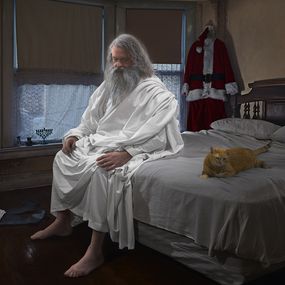
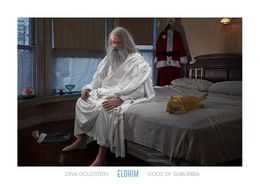
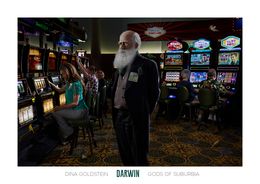
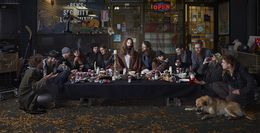
Her ambitious project “Gods Of Suburbia" (2014) delves into the world of established and fringe religions. Deities from various traditions are depicted as mortal, adapting to the challenges of modern life. Offering an iconoclastic interpretation of how ancient belief systems intersect with the pillars of modernity – technology, science and secularism – Dina's surreal creations challenge viewers to contemplate the relevance of ancient ethics and enduring belief systems. The series has been exhibited around the world, with “The Last Supper" finding particular resonance in Italy.