





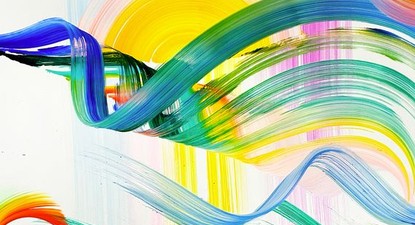
Abstract Print for Sale
It's impossible attribute a precise date to the birth of abstract art. Art critics tend to situate the start of the movement in the 1910s and tend to see Wassily Kandinsky's “Picture with a circle" or “Abstract watercolour" as the works that announced the birth of abstract art. Although it is hard to know whether this work was truly the first abstract painting, Kandinsky was undeniably one of the founders of the movement.
However, it is important not to forget that there were many other important artists working at around the same time as Kandinsky and who also created key non-figurative works. These include Piet Mondrian, François Kupka and Kazimir Malevich. The couple Sonia and Robert Delaunay also had a fundamental impact on the development of abstraction. Mesmerised by the bright colours and circular shapes in their compositions, the French poet Apollinaire christened their art Orphism.
Even if abstract art can be seen as a revolution in terms of the artistic traditions that came before it, the movement can also be interpreted as the inevitable and logical result of the work and thinking of preceding artists. Certain experts believe that abstract art can be traced back to Monet and Whistler, who highlighted the importance of visually representing feelings and emotions rather than figurative objects. Fauvism contributed to our understanding of the power of colour, whilst Cubists pushed figurative art to its limits by playing around with geometric shapes and forms.
In a similar way, it seems illogical to give abstract art a single definition as the movement itself is so complex. The one thing that all abstract artists have in common is that they believe reality is subjective. They don't paint subjects, objects or people but focus on emotions, feelings or esthetics using shapes, colours and brush strokes to convey their message.
Geometric and lyrical abstract art are both forms of abstraction in is purest form. There is no clear subject matter or if the artist was inspired by a particular object, person or scene we can't tell without additional information. There can be different degrees of abstraction. For example, some forms of figurative art may be partially abstract if they distort the reality they represent.
It is important not to underestimate the role that historical context has played in the development of emerging art movements. Abstract art has known two golden ages; the first between the two World Wars, just before the Great Depression, and the second between 1947 and 1970. Why? In short, human suffering.
When artists no longer know how to represent the horrors of warfare and convey the suffering that society has endured, they must innovate, look for new techniques and call upon the subjective memories of survivors. In the words of Adorno, “writing poetry after Auschwitz is barbaric".
Abstract art reached its peak between 1950 and 1970 in New York thanks to abstract expressionist artists such as Mark Rothko, Jackson Pollock and Willem de Kooning. Although this might be the movement that comes to mind when thinking of abstract art, there are many other movements related to non-figurative art, including Surrealism, Fauvism, Cubism, Bauhaus and Futurism.
With the advent of new technology, new art movements have emerged in the 21st century. Abstraction continues to be important to several of these movements. Many painters and sculptors still continue to create pure abstract art, such as Anish Kapoor, Ben Berlow and Christian Rosa. Abstract art has not disappeared; it has merely evolved and continues to adapt to its society.
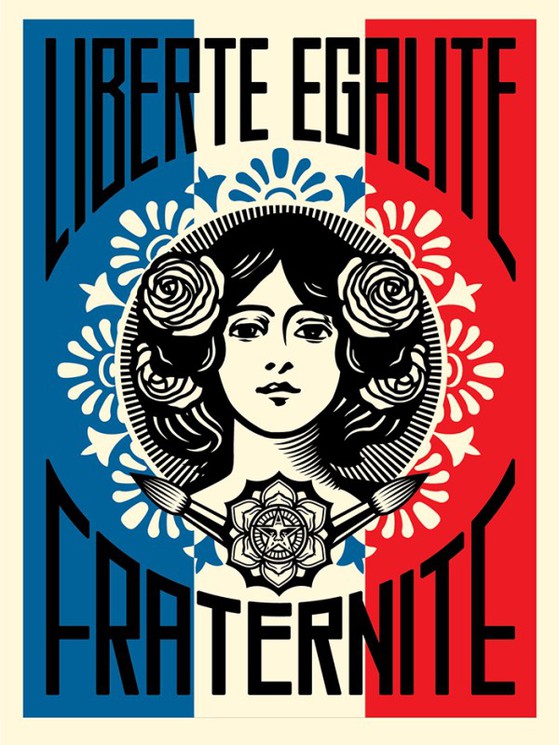
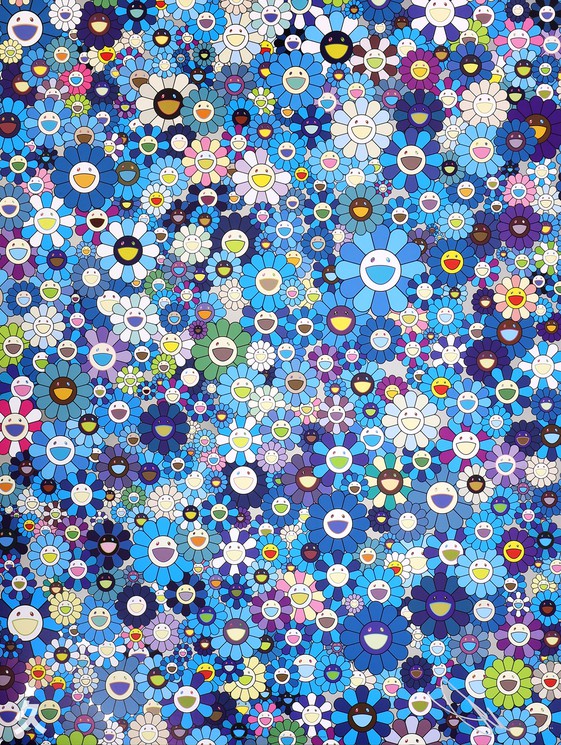
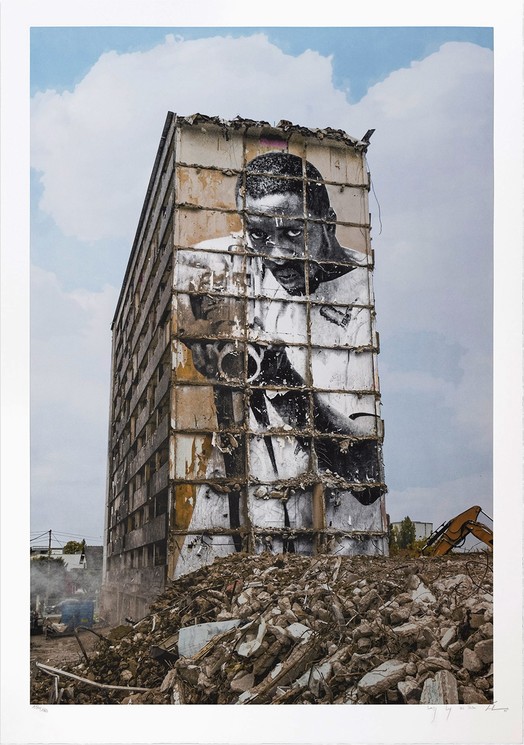
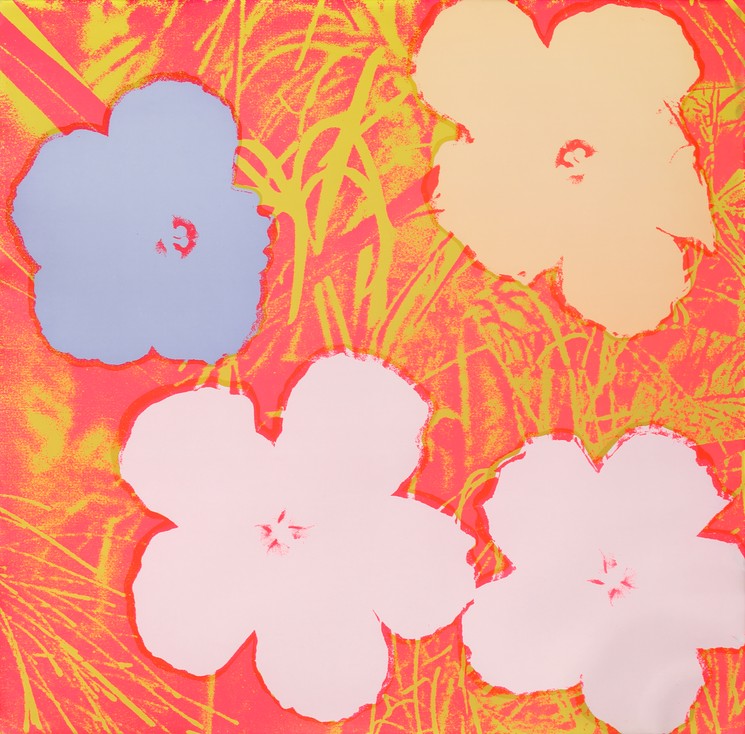
Artsper has a wide range of abstract prints from many well known contemporary and modern artists, including Zao Wou-Ki, Pablo Picasso,Victor Vasarely and Joan Miro, as well as a selection from emerging artists.
Discover the styles & movements

Choose your preferences
The best
of art, online
SIGN IN - REGISTER
or
Professional vendor?
Access my gallery space
Forgot your password?
No worries, enter you email address and we'll send you a link to reset your password.
Return
An email has been sent. It contains a link you must click to reset your password.
If you don't get an email check your spam folder or try again.
Return
Added to your favorites Find it in “All my artworks”
Image search
Upload an image and discover similar artworks available on Artsper